180,000 78rpm Records from Jazz, Blues, and Comedy: A Searchable Archive of Early 20th Century Sound
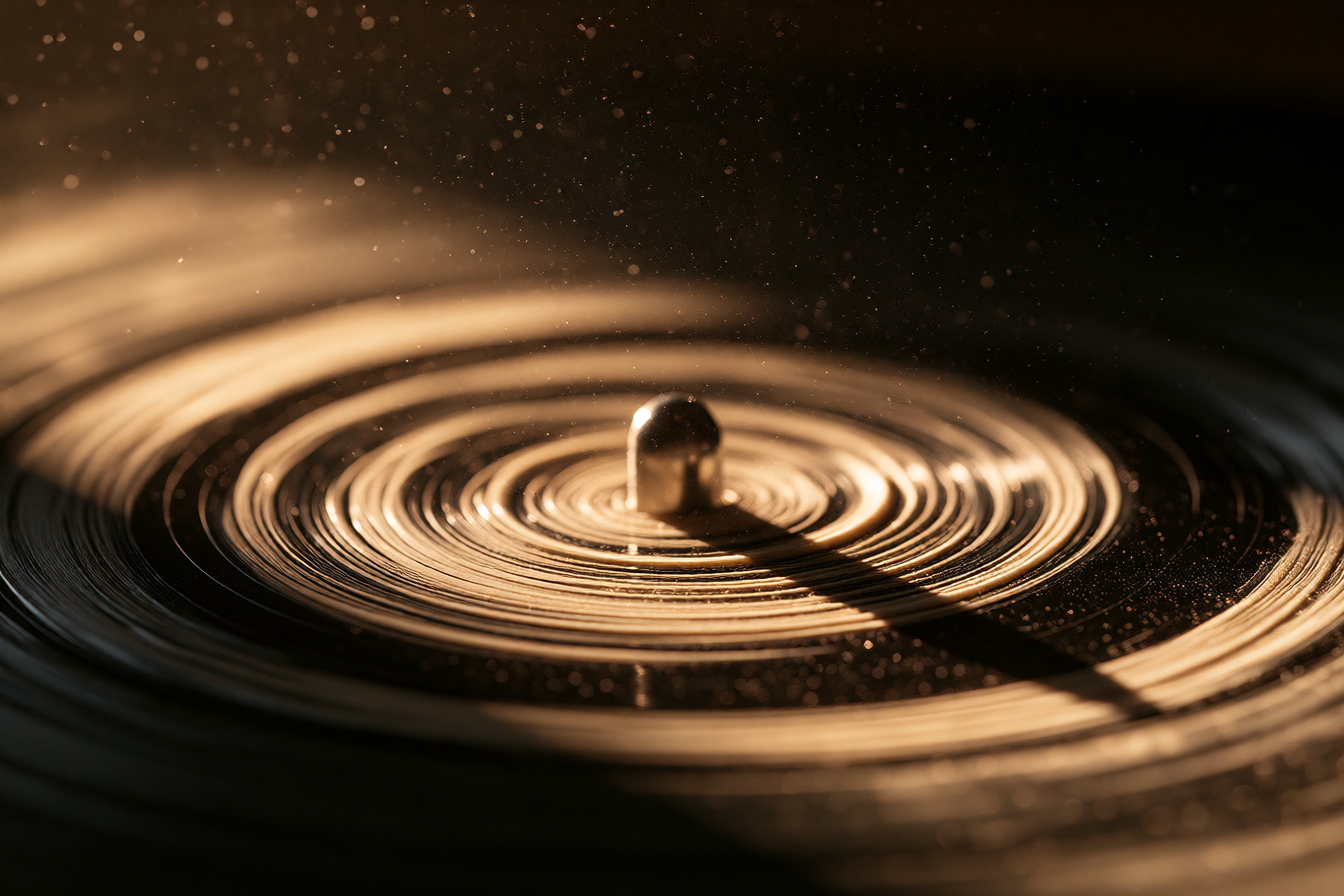
The Great 78 Project is a searchable digital archive of over 180,000 recordings preserved from shellac discs manufactured between 1898 through the 1950s. Everything here is free to listen to—no login required.
What's there
Started by volunteer collectors and digitized by the Internet Archive, George Blood LP, and the Archive of Contemporary Music, the collection spans blues, country swing, hot jazz ensembles, sound effects, comedy, and spoken word. Each record retains its original acoustic character: the crackle, the pops, the high-frequency limitations of horn-based recording. Digitization happens at George Blood L.P.'s Philadelphia studios, operating 16 hours a day six days a week, with 5,000–7,000 sides uploaded to the Internet Archive each month.
Where to start
- Browse by genre or era: Search by creator, collection, the year of the original recording. The structure makes it easy to follow a thread—all Bing Crosby crooning, all pre-war polka orchestras, all forgotten regional jazz ensembles.
- Listen to home recordings: The archive includes "personal recordings" or "home wax recordings" made by everyday people at home, as opposed to by record companies. These amateur performances hold strange intimacy.
- Explore oddball collections: The Joe Terino Collection alone contains 70,000 78 rpm singles stored in a warehouse for 40 years. Rummage through what one person obsessively kept.
Make something from it
The textures here are irresistible: the acoustic horn's frequency response, the particular warmth of early electrical recording, the applause and rustling of live studio sessions. A visual artist could extract palettes from album cover art or create imagery around forgotten performers. The crackle itself—neither noise nor music—becomes a documentary artifact of time, brittleness, and care taken to preserve what was thought disposable. Consider sourcing field recordings from specific ethnic music traditions or mining early sound effects (wind, rain, door slams) recorded with 1920s mics for their strange, compressed character.