35,000 Japanese Spirits and Mysteries: A Searchable Folklore Database
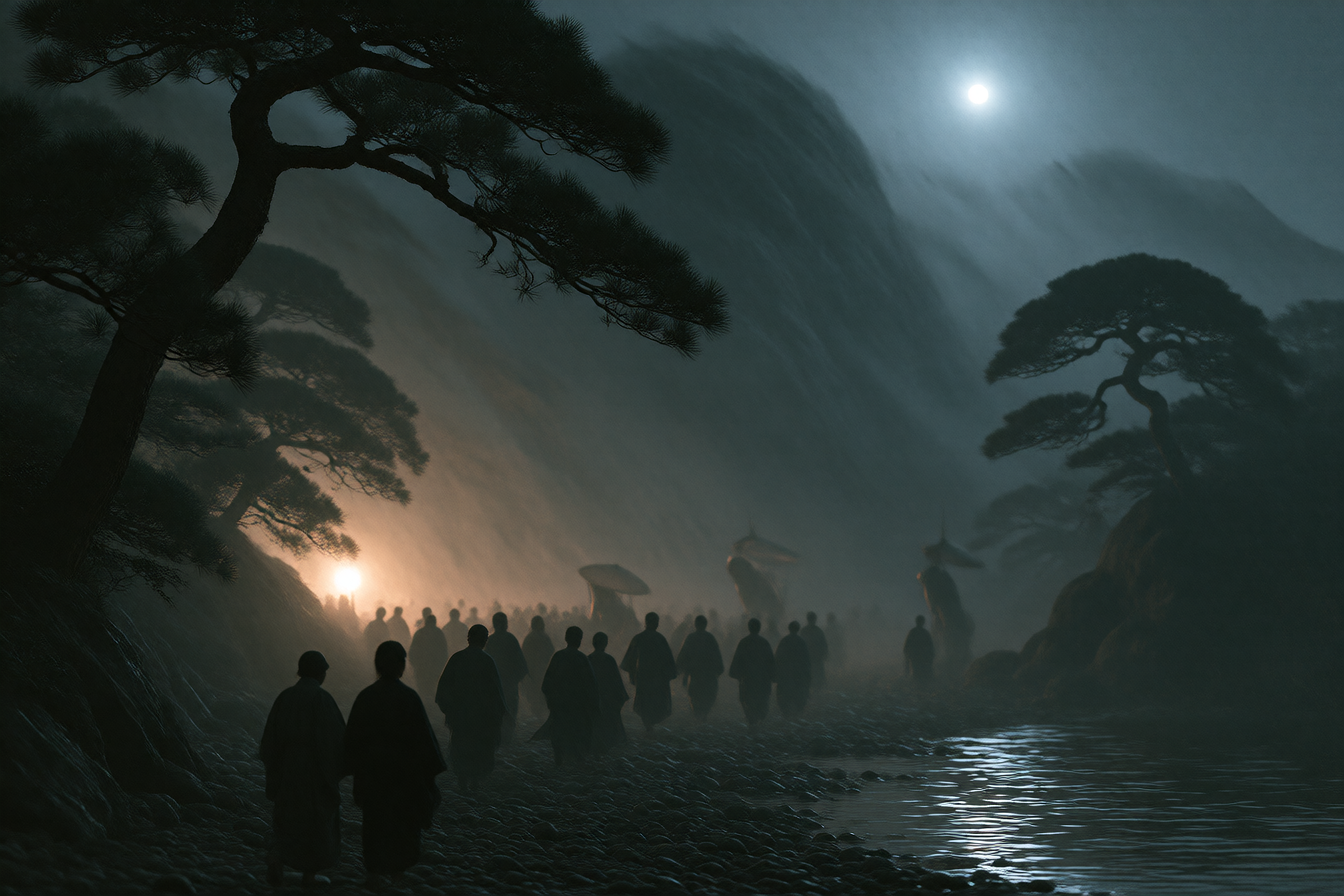
The Database of Folktales of Mysterious Phenomena and Yōkai is a massive searchable collection of Japanese folklore maintained by the International Research Center for Japanese Studies. The database holds over 35,000 entries documenting yōkai (spirits, monsters, demons), supernatural phenomena, and ghostly encounters collected from scholarly essays, folklorists' field reports, and oral accounts. Records span from the late Edo period to the present day, organized by creature type, region, and phenomenon.
What's there
Built as an academic resource but freely browsable by anyone, the database grew from two decades of folklore research. Each entry includes the phenomenon's name, collection location, year reported, source author, and a summary describing what was encountered. You can search by creature name (over 3,700 cases of kitsune, 1,300 tengu, 1,100 kappa, 960 serpent spirits) or browse by region across all of Japan. The database includes detailed accounts of events: a child abducted by fox-spirits, a sound of beans being washed at night that draws crowds in fear, a woman's hair turning white at a haunted location, figures seen on mountain passes, the footsteps of the dead heard before someone dies.
Where to start
- Search by creature name: Start with Kitsune (fox-spirits) or Tengu (demon-gods) to see regional variations and how the same creature appears across decades with slightly different characteristics. The number of documented cases for each type shows which beings haunted Japanese culture most persistently.
- Browse by region: Explore Nagano or Kyoto entries to understand how different areas developed their own supernatural ecologies—certain spirits tied to specific landscapes, temples, or historical events.
- Read individual accounts: Click into a single case to see the full entry with its year, location, and the specific story—these are richly detailed, strange, and often matter-of-fact in their descriptions, treating the supernatural as local history.
Make something from it
The database is a visual and narrative goldmine. The creatures described—compound-faced demons, one-eyed monsters, things that make specific sounds, beings that can only be seen at particular times—are ready to draw. The specificity of regional variations, the footnotes connecting folklore across centuries, and the casual documentation of the impossible offer endless prompts for creating your own strange bestiary or imagined archive. The writing itself has a documentary quality that feels both believable and deeply unsettling.