3D Worlds in Seconds for a Cent: Viggle's JST-2 Hits Today
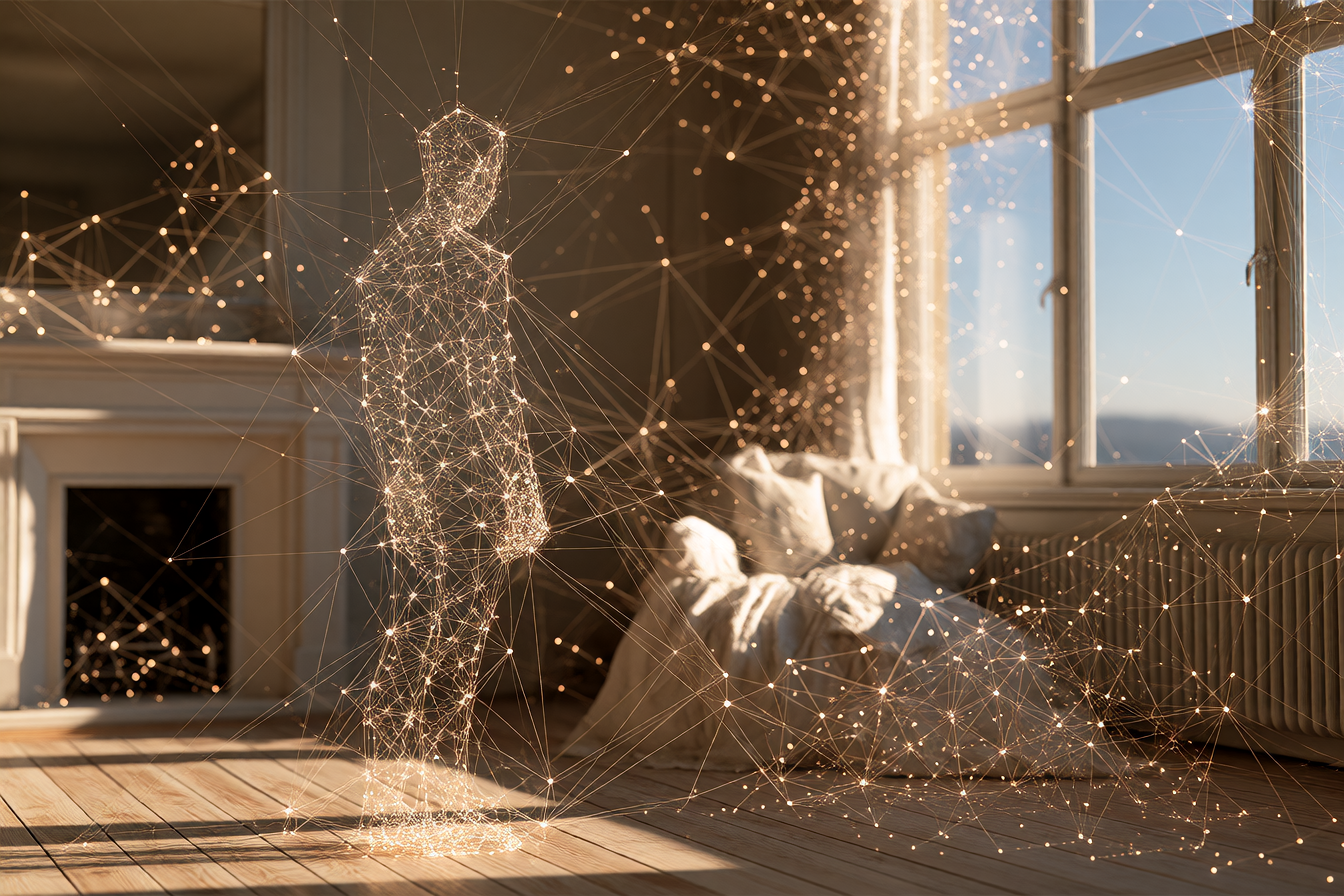
Viggle released JST-2 on October 19, 2026, a physics-native world foundation model that brings scenes, characters, and motion into a shared 3D world. This isn't a video model that guesses at depth from pixels. JST models the world as persistent atoms in 3D space, where each atom represents a piece of matter or object part and retains its identity as it moves and deforms, with explicit xyz position and learned vectors for attributes and dynamics.
For creators, the speed is the story. A single image can become a 3D character with motion built in (no separate rigging step), full-body motion is generated from text or video, and a scene builds in about a second of inference for under a cent. Scenes export as standard Gaussian splat files that Unity and Unreal plugins can load.
What people are making with it
Early testers on X reported playing around with JST-2 to create different scenes and characters, and noted the model has a free tier. The model ships with real-world examples: JST-2 can generate full-body 3D motion from text prompts like "A person brushes their teeth with small repeated arm movements" and reconstruct full motion from video, with actions generated from text and motion captured from real video clips.
Users describe a place or bring a 360° panorama to get an explorable 3D scene back as a Gaussian splat, then generate new views from any camera and rebuild the scene from them.
What's actually good (and what isn't)
For indie filmmakers and small game teams, rigging often eats the budget—and that's what JST-2 cuts out. The model understands physics structurally rather than pattern-matching pixels, which is why the system maps reference movement onto your character in a way that understands motion structurally rather than just predicting pixels frame by frame.
Viggle pitches JST-2 for robot training too, raising questions about whether it's a gift for game devs or bad news for 3D artists. The honest gap: this is motion and character work automation, not a full creative suite. You still need an idea and an aesthetic direction. But the labor—the technical pipeline—suddenly doesn't matter as much.
How to try it
A scene built from a text prompt costs $0.06 (6 credits). Visit viggle.ai to access JST-2 directly, or use the API if you're building something. The platform has a free tier.