A Catalogue of Human Fear: Horror rated by dread, not shock
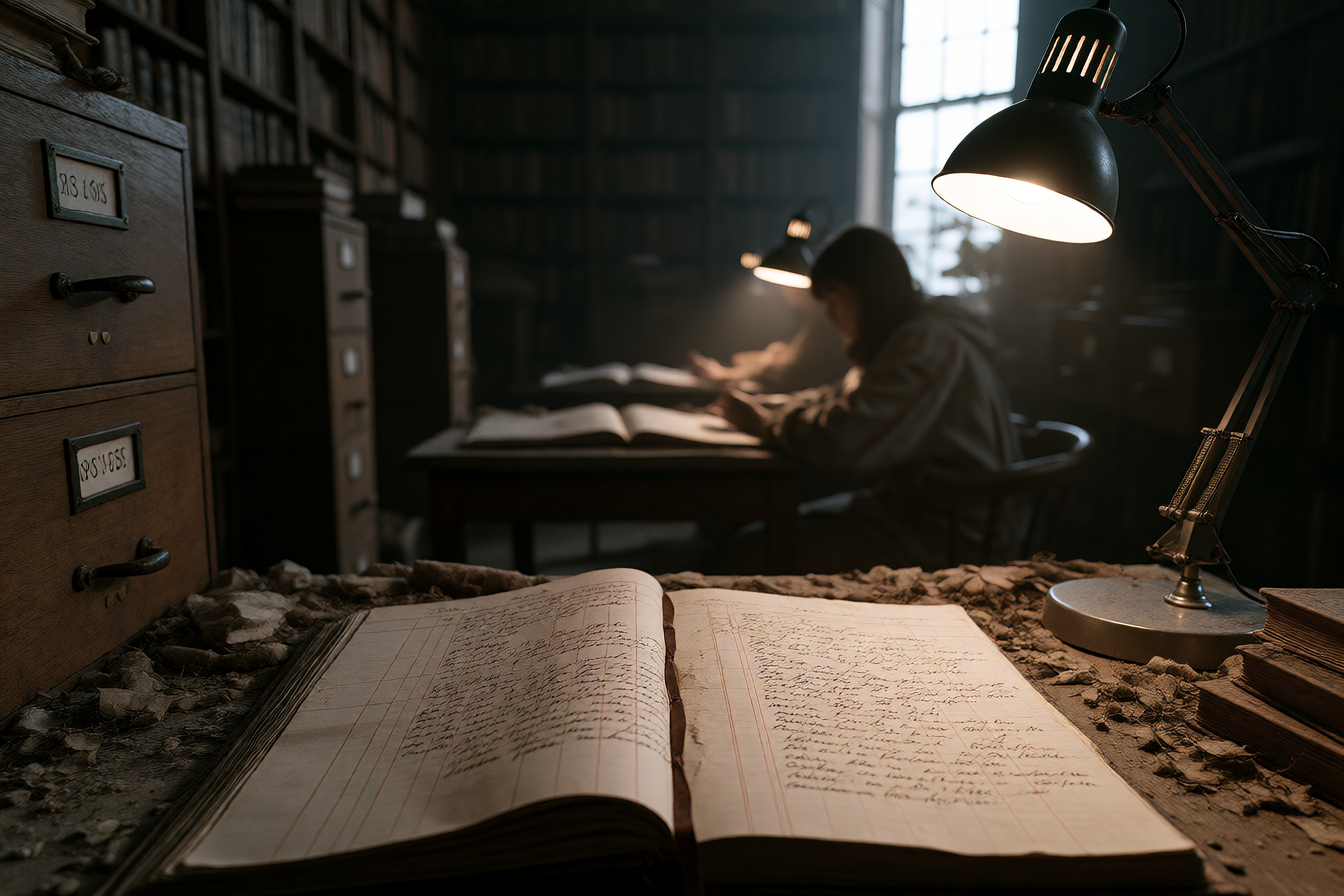
The Dread Archive is a private catalogue of the films, books, games, broadcasts and folklore people have made to frighten each other, rated for dread. Each entry records what the work is, how it works on you, and how it was received. It's austere and strange—just a list of titles, sparse descriptions, and dread ratings from 1 to 5.
What's there
The archive contains 412 catalogued works, though only 57 are public. Its creator or creators remain unnamed. The works span five categories: films, books, games, broadcasts, and folklore. The rating system is peculiar and thoughtful: entries are scored not by how much they shock or disgust, but by how long they stay with you. A work that lingers in your mind for weeks scores higher than one that makes you flinch and move on.
Where to start
- The most dreadful: The Haunting of Hill House (1959), I Have No Mouth, and I Must Scream (1967), and The Lottery (1948) sit at the top—works that burrow into the mind. See how the archive describes what made them linger.
- Recently catalogued entries: The Bell Witch, The Backrooms, Inscryption, The Mandela Catalogue. These reflect how modern folklore—creepypasta, analog horror, indie games—enter the same taxonomy as Shirley Jackson and Harlan Ellison.
- The hidden entries: 355 works remain private, locked away with reasons unexplained. The archive suggests some fears are worth keeping close.
Make something from it
The archive's cool restraint—its institutional filing system, its numerical codes (DA-0384, DA-0377), its refusal to explain—invites artists to build their own taxonomies of unease. You could create visual catalogs of dread using similar codes, design an imagined museum of horror across time, or make a visual rating system that tracks not shock but lingering discomfort. The archive shows that sometimes the least sensational presentation is the most unsettling.