Why AI Artists Are Leaving Instagram for Better Creative Platforms
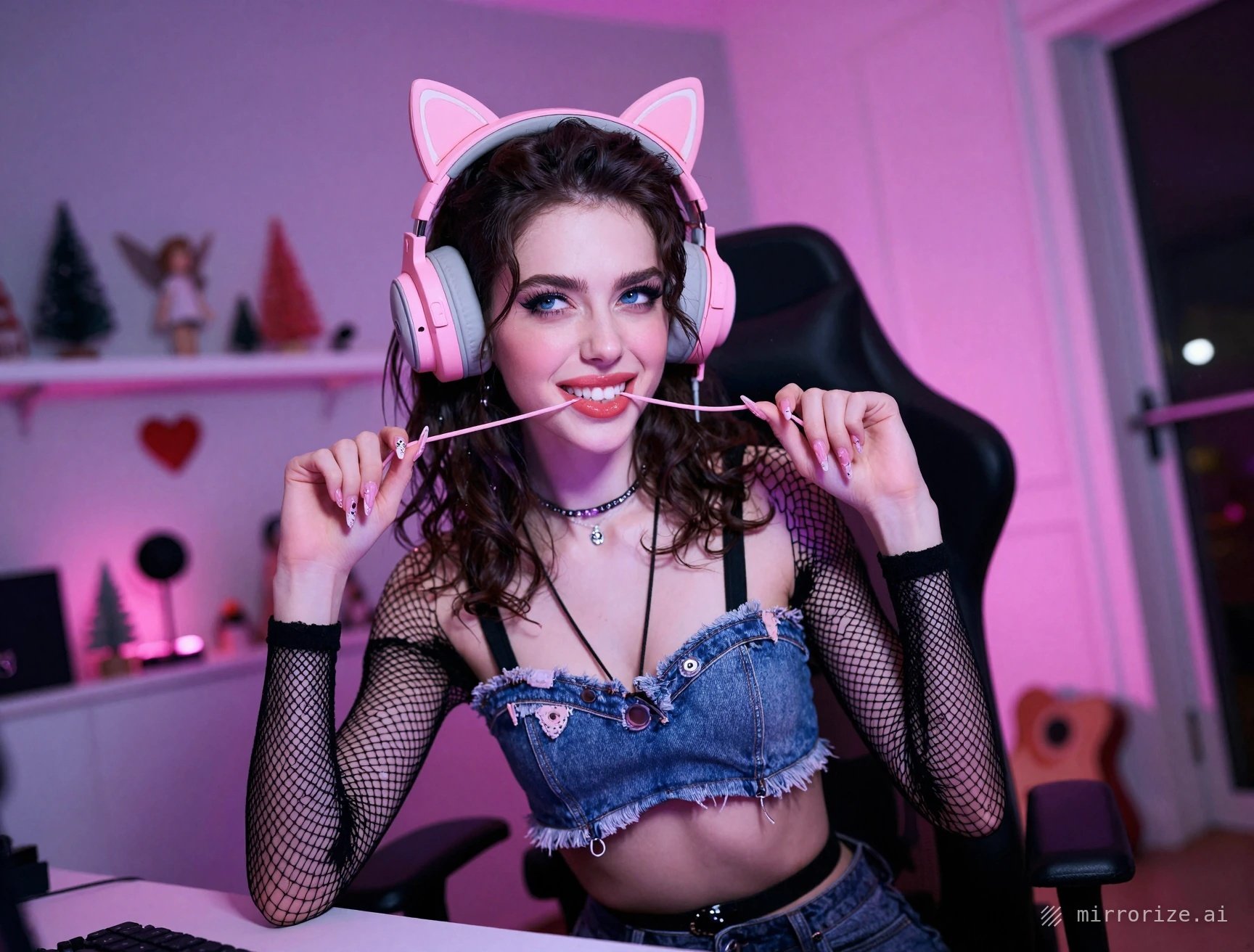
Instagram's AI Art Problem Is Getting Worse
If you've posted AI-generated art to Instagram lately, you've probably noticed something: your reach is terrible, your posts get flagged with "Made with AI" labels, and the algorithm seems to actively hide your work. You're not imagining it. Instagram has become increasingly hostile to AI creators, and thousands of artists are quietly moving to platforms that actually want them there.
The exodus started slowly in 2023, but by 2024 it became a flood. AI artists who once had thriving Instagram followings are now posting screenshots of their analytics showing 80-90% drops in reach after Meta's AI labeling policy rolled out. Meanwhile, platforms built specifically for creative work — especially AI-generated content — are seeing massive growth.
What Instagram Got Wrong About AI Art
Meta's approach to AI art comes down to one thing: stigma management. Instagram added mandatory "Made with AI" labels in mid-2024, ostensibly for transparency. But the execution told a different story. The labels appeared prominently on AI artwork while traditional digital art — often created with Photoshop's AI-powered tools — flew under the radar.
The real problem? Instagram's algorithm started treating AI-labeled posts like misinformation. Reach tanked. Engagement disappeared. Artists who'd spent years building audiences watched their visibility evaporate overnight.
Then there's the feed itself. Instagram's algorithmic feed prioritizes Reels and personal content from close friends. Creative work — whether AI-generated or not — gets buried unless it's already going viral. For artists trying to build an audience or showcase a portfolio, Instagram has become nearly useless.
The comment sections didn't help either. AI art posts routinely attracted hostile comments accusing creators of "not being real artists" or "stealing from real creators." Instagram's moderation tools did little to address the harassment, leaving artists to deal with it alone or stop posting entirely.
Where AI Artists Are Going Instead
The migration isn't random. AI creators are moving to platforms designed around creative sharing, not social validation. Here's where they're landing:
Creative-first AI platforms like Mirrorize have exploded in popularity because they're built specifically for people making AI art. On Mirrorize, the entire experience revolves around creating and sharing AI images and videos. There's no algorithm punishing you for using AI — that's literally the point of the platform. The Mindstream feed shows AI art from other creators, organized by For You and Following tabs. People comment with actual feedback about prompts, styles, and techniques instead of gatekeeping arguments about "real art."
More importantly, these platforms integrate creation and social features. You can generate an image using one of Mirrorize's 50+ generators, post it to your profile, and have other creators remix your work or ask how you achieved a specific look. That feedback loop doesn't exist on Instagram, where creation happens in separate apps and Instagram is just a broadcasting tool.
X (formerly Twitter) has become surprisingly friendly to AI artists. The platform doesn't flag AI content negatively, and the algorithmic feed actually amplifies creative work when it gets engagement. Many AI artists report better organic reach on X than they ever had on Instagram, even with smaller follower counts. The visual-first threads and quote-tweet features also make it easier to share workflows and techniques.
Cara and ArtStation positioned themselves as "anti-AI" platforms initially, but that's created an interesting vacuum. AI artists have clustered on platforms that don't take moral stances on tools. Turns out, when you tell a third of working digital artists they're not welcome, they just go somewhere else.
The Credit System Makes a Difference
One unexpected factor in the migration: platforms with credit-based systems create different incentives than likes-based platforms. On Instagram, success means maximizing engagement at any cost. That creates endless drama and algorithm-gaming behavior.
On platforms like Mirrorize, the Glass credit system rewards quality over volume. You can generate unlimited free images with most generators if you're a Pro subscriber, or buy credits for commercial generators and video. But the social feed isn't trying to show you outrage bait — it's showing you work that other creators actually resonate with.
That shift matters. When the platform's business model is "help creators make better stuff" instead of "keep users scrolling forever," the whole culture changes. People share tips, stack styles together to create unique looks, and actually help each other improve. Try getting that in Instagram comments.
What Actually Works for Sharing AI Art Now
If you're serious about building an audience for your AI artwork, here's the current playbook:
Use Instagram for existing audiences only. If you already have followers there, keep posting — but don't expect growth. Think of Instagram as a broadcast channel for people who already know your work, not a discovery platform.
Build your main presence on creative platforms. Whether it's Mirrorize, X, or another platform, put your effort where AI art is actually valued. Post your work, engage with other creators, share your process. The audiences are smaller but way more engaged.
Post your process, not just final images. The AI creators getting the most traction right now are the ones showing how they work. Share your prompt, explain which generator you used, show style combinations. "I made this cool thing" gets less engagement than "Here's how I stacked Dutch Angle + Frozen + Cinematic styles in Proximity to get this look."
Use video strategically. Static images are hard to grow with on any platform right now. But animating your AI art — turning your best images into short videos — immediately makes your work more shareable. Mirrorize's PixVerse v6 integration makes this simple: click Animate on any image in your gallery and generate a video in seconds.
Link out to your actual work. Instagram doesn't let you link in posts, but platforms like Mirrorize and X do. If someone likes your work, make it easy for them to find more or commission you.
The Bigger Picture: Platform Loyalty Is Dead
This migration reveals something bigger than just AI art drama. Creative people are realizing they don't owe loyalty to platforms that don't support them. Instagram had years to build goodwill with digital artists and squandered it with hostile policies and algorithm changes that buried creative work.
The next generation of creative platforms is being built around tools, not just feeds. Mirrorize isn't just a social network — it's an AI studio with social features built in. You create there, share there, and discover other creators there. That integration matters more than Instagram's massive user base when 99% of those users will never see your work anyway.
For AI artists specifically, the choice is simple: stay on a platform that labels your work as lesser and hides it from audiences, or move to platforms built for what you're actually doing. Thousands have already made that choice. More are deciding every day.
If you're still posting AI art exclusively to Instagram and wondering why nothing's working, maybe it's time to try somewhere that actually wants you. Head to mirrorize.ai, generate something with Proximity or one of the new MV4 generators, post it to the Mindstream, and see what actual engagement from other creators looks like. The difference is immediate.