Dream to Video: The Backrooms Waterslide Trend
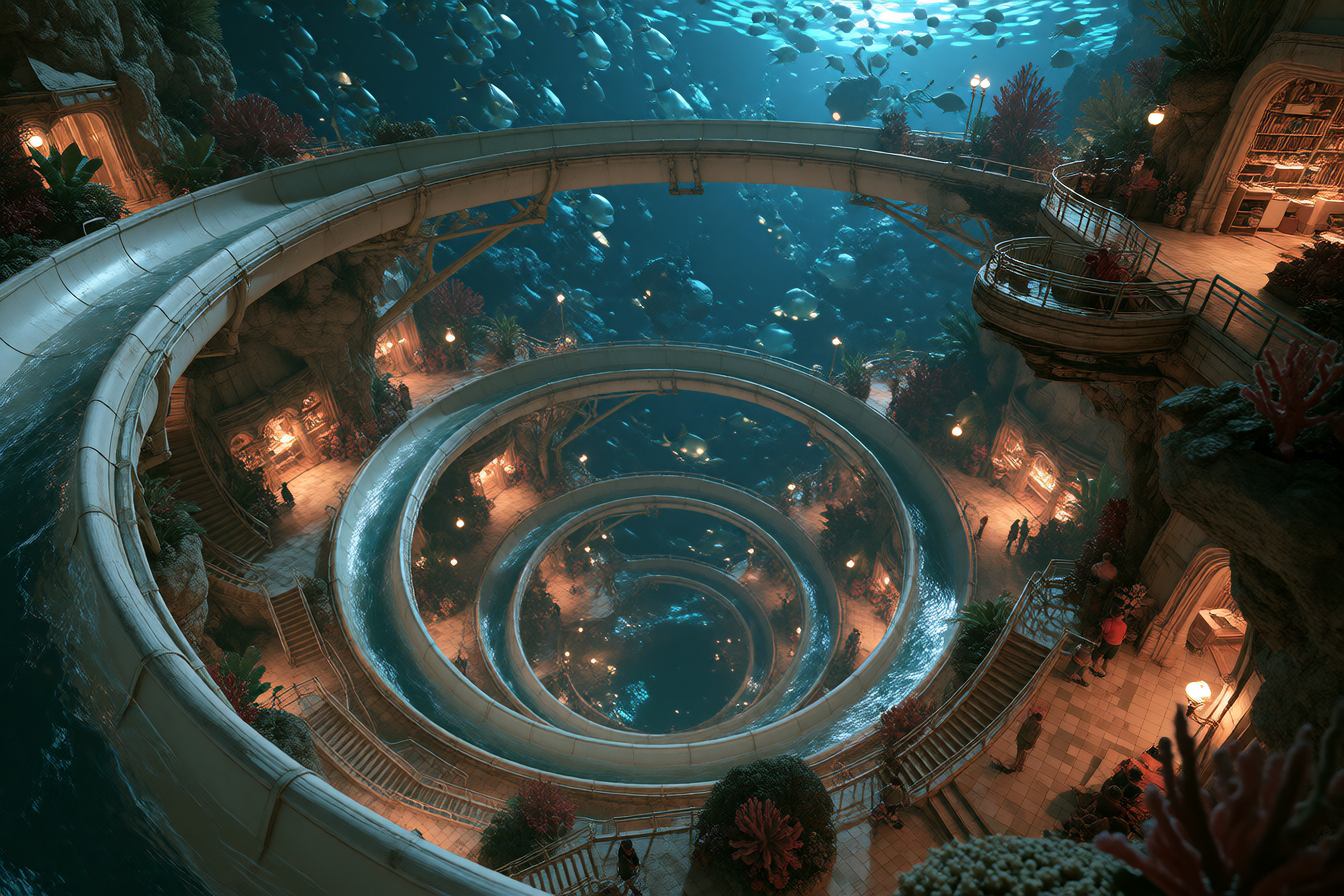
You have a dream. Maybe it's unsettling. Maybe it's just strange—a waterslide in a place that shouldn't exist, leading somewhere that makes you uncomfortable. A week ago, you'd have described it to friends over coffee and moved on. Now you paste it into an AI video generator and thirty seconds later you have a finished short film.
The #1 most-discussed post on r/aivideo right now is exactly this: someone took a dream about a waterslide in the backrooms (a creepypasta concept that's become a full cultural phenomenon, including a feature film that just crossed $400 million globally) and generated it into video. The comment section lights up with people sharing what they've made the same way—turning nightmares into cinema, one text prompt at a time.
Why This Moment, This Trend
The backrooms aesthetic—endless fluorescent corridors, liminal spaces, impossible architecture that feels wrong—is the perfect test case for AI video. It's not trying to replicate photorealism or recreate existing movies. It's trying to make the abstract concrete, the feeling visual. A waterslide that goes somewhere it shouldn't. Pools that suggest dread. VHS-quality horror filtered through what a dream might look like if you could save it as an MP4.
The creative bar is deliberately low: you don't need a shooting location, talent, or lighting rigs. You need a feeling and about sixty seconds. The Reddit posts show people iterating fast—describing their nightmare, getting a rough cut back in minutes, tweaking the prompt, rendering again. Some add analog-horror aesthetics; some strip it down to pure liminal-space strangeness.
What People Are Actually Making
You'll find waterslide variants everywhere in this space right now. Some creators are going for pure dread—impossibly tall slides, physics that breaks, a plunge into darkness. Others layer in the poolrooms aesthetic (a related meme about water in the backrooms). One creator posted a "paper-thin dog walker at Halloween fest"—the uncanny valley of AI-generated movement combined with a concept that shouldn't work but does. Another: "The Three Little Pigs," rendered in that same off-kilter dream-logic.
The common thread: they're all concepts that feel either impossible or uncomfortable to film in real life. A physics-breaking waterslide. A liminal space underwater. A nightmare scenario. The AI video models aren't great at photorealism yet, but they're excellent at rendering surreal, unsettling spaces—especially when you lean into that aesthetic rather than fight it.
On TikTok, these posts are pulling hundreds of thousands of engagements. The comments are split between "I thought that was real for a second" and people asking what model was used.
What's Actually Good Here (And What Isn't)
The current generation of AI video tools excels at short-form, concept-heavy content. You get stability and coherence in clips under 30 seconds. The models handle dreamlike transitions better than hard cuts. They're good at weird lighting and unsettling color palettes—the aesthetic works with the tools' current limitations rather than against them.
What doesn't work: long narrative arcs, sustained character motion, hands and faces, fast cuts, anything demanding frame-by-frame photorealism. The waterslide videos work partly because they're short, disorienting, and deliberately dreamlike. A normal movie trailer would fail immediately. A nightmare rendered as a 15-second clip? That's money.
The copyright angle matters here too. The backrooms are public-domain creepypasta (created on 4chan in 2019). The aesthetic is free. You're not trying to recreate Pixar or Disney—you're building something new in a cultural space that belongs to no one. Creators on Reddit and Discord are noting this explicitly: you can render backrooms content without running into the restrictions some AI labs have placed on copyrighted IP.
How to Try It
The tools in active use here are Kling 3.0 (which handles motion well), Runway Gen-4.5 (for finer control), MiniMax H3 (which syncs audio natively), and PixVerse (for multi-shot generation). Some people are testing Google's Veo 3.1 for higher visual fidelity. Most render short clips—15 to 30 seconds—and iterate on the prompt based on what they get back.
The workflow is: describe the scene with as much emotional and architectural detail as you can, render, watch for where the model breaks, refine the prompt, try again. Some creators build the audio separate (using text-to-speech or royalty-free ambient tracks) and sync it in post.
The cost varies by model and your plan, but entry-level subscriptions run $10–30/month for enough monthly credits to experiment constantly. The barrier is time and imagination, not money.