KittenTTS 2: Voice Cloning From Five Seconds, Runs Offline—No API Needed
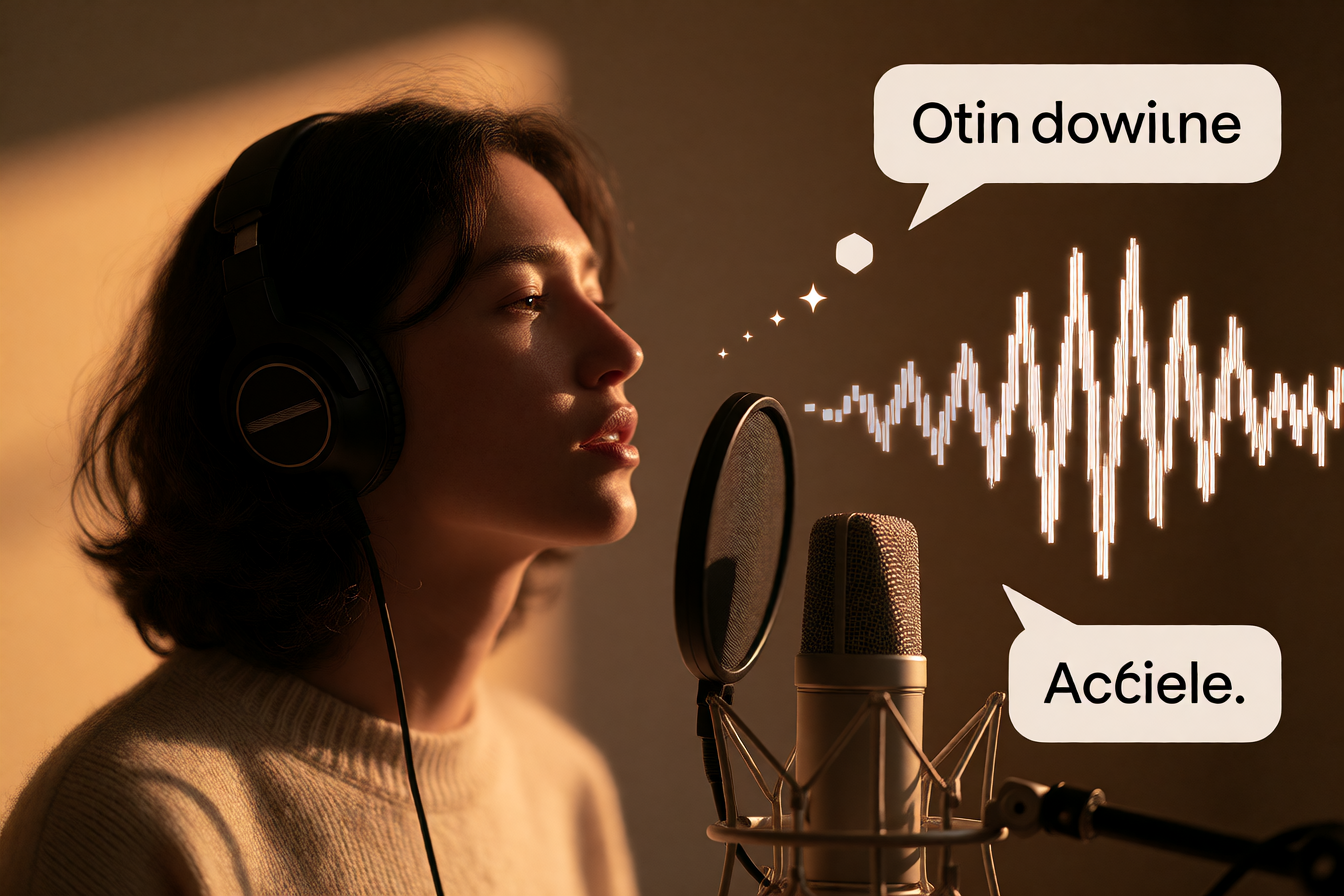
The original KittenTTS lived in your pocket: tiny models at 15–80 megabytes, CPU-only, Apache 2.0 license. This month, the project underwent a radical metamorphosis. KittenTTS 2 is now a full billion-parameter voice model—and it brought voice cloning with it.
KittenTTS 2 is a 1.7B-parameter speech language model with in-context voice cloning and runs realtime on a CPU. Give it five seconds of a single speaker's voice and it can clone that speaker from a 5-30 second reference clip with no fine-tuning. The model is multilingual speech language model with in-context voice cloning, expression controls and built-in voices for 10 languages.
No cloud API. No waiting for credits to refill. A 1.7B-parameter speech language model that ships at 506 MiB with 47 built-in voices plus cloning; all weights ship in the model's repository and no Hugging Face login is needed.
What people are making with it
Creators are turning it into workflows immediately. A zero-shot multilingual voice cloning pipeline translates video narration into international languages while preserving the original speaker's vocal timbre; the 3-step workflow provides a 15-second reference voice and outputs cloned greetings in English, Hindi, and Spanish. On GitHub, developers are publishing video dubber tools and publishing KittenTTS 2 integrations into open skill libraries.
In demonstrations, users pass a 10-second voice sample to the model, and after processing it generates a new sentence never actually recorded, with the generated audio sounding remarkably similar to the original speaker. Tutorials on YouTube show builders wiring it into full local voice-cloning apps, and a new skill was added to open skill repositories that turns a 5-30 second voice recording and text into a speech WAV file with KittenTTS 2.
What's actually good—and what isn't
KittenTTS 2 clones voices through its speaker embedding model directly with no Hugging Face login required; all weights ship in the model's own repository. It automatically transcribes the reference audio using a bundled Whisper model, which is crucial convenience since many voice cloning tools require you to manually provide a text transcript matching your audio.
The catch is real. KittenTTS 2 operates under the Stellon Labs Community License, not Apache 2.0 like the original; the change from Apache 2.0 is significant and could impact your deployment plans. It's the wrong choice if you need real-time performance on Apple Silicon or AMD hardware, your project involves a funded company, you require a permissive open-source license, or you can't accommodate the 1-3.5GB model footprint depending on which checkpoint you use.
And yes, a 1.7B model is a far heavier lift than the featherweight originals. KittenTTS 2 is the world's first ternary text-to-speech model and the most efficient TTS model at $0.65 per 1M characters on the API, and is free for commercial use under $1M—but self-hosting means GPU acceleration becomes real.
How to try it
Start here: github.com/KittenML/KittenTTS. Install with pip install kittenml, and the flagship model KittenTTS 2 is a 1.7B-parameter speech language model you can generate from a voice sample.
For a quick no-install demo, huggingface.co/spaces/mrfakename/kitten-tts-2 runs it in the browser. Upload a voice clip or pick one of the 47 built-in speakers, type your text, and hear it speak. A browser demo runs 208 MB after int4 quantization and entirely on your GPU via WebGPU in desktop Chrome or Edge.
Before you ship anything: before integrating KittenTTS 2 into any product, hosted service, or monetized workflow, you must inspect the current license terms. The Stellon Labs Community License is permissive for experimentation but has restrictions on commercialization and who can use it.