Kling 4.0 Full Launch: 30-Second Clips, 10 Keyframes, Lip Sync That Works
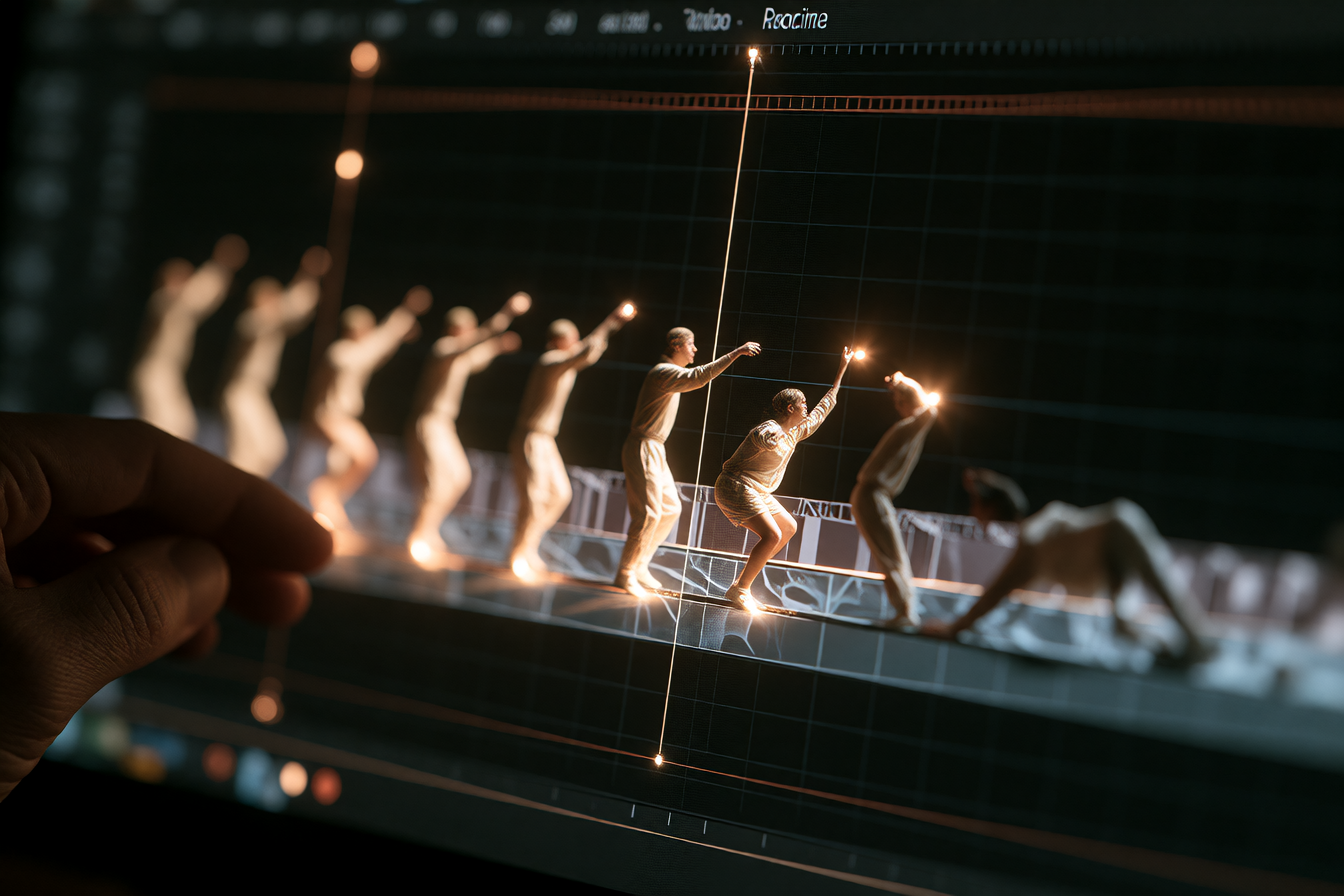
Kling 4.0 went fully live on October 15, cutting through weeks of early access whispers. This isn't a polish pass—the full model doubles clip length to 30 seconds, adds choreography through up to 10 keyframe images, and bundles in stereo audio with a lip-sync fix that early testers actually noticed working. The reference system now pulls in 15 multimodal inputs: images, video, subjects, and voice samples in one generation.
What people are making with it
Early creators leaned on the keyframe control for narrative work. One filmmaker built a film called SPARE using full Kling 4.0 in 21:9 aspect ratio with multiple waypoints guiding character movement and camera direction. Another creator, @JayKay65220066, posted Cat with Orbs, a single 20-second generation from the Flash version (the lighter variant)—a bat-winged cat on a mossy rock, glowing mushrooms, fog, jack-o'-lanterns—all held together across one long take. The consistency between shot compositions held, which wasn't always guaranteed before.
Lip-sync on dialogue was the rumor that became consensus among testers. @huangyun_122 posted a simple test: mute the sound and watch an actor's mouth, and you can already guess 90% of the words. That's the kind of specificity early adopters flagged as a breakthrough from Kling 3.0.
For the creators who can't wait for API access (still marked "coming soon"), the web platform and MCP/CLI routes are live now. Mobile app access works too.
What's actually good (and what isn't)
The keyframe control is the real win. Early testers flagged that spatial consistency—objects keeping their position and scale rather than subtly sliding or resizing—improved noticeably in dialogue-heavy sequences. Motion itself feels more purposeful. The resolution ceiling at 4K (10-bit HDR still pending) puts this in territory professional creators care about.
But the cracks are there. Early testers reported unrequested background music sneaking in, unexpected shot cuts, and soft detail in wide shots. The full model is noticeably stronger than Flash (which caps at 720p and 20 seconds), but it's only been generally available for four days. API access, video extension up to 2 minutes, and 10-bit HDR are all still marked "coming soon." Membership credits expire monthly, and per-clip costs are hard to predict because Kling hasn't published pricing yet.
How to try it
Go to kling.ai. The full model is live now for anyone with a Kling account—no subscription tier gate, though higher tiers get more credits per month. If you're already an Ultra Yearly subscriber (USD $1,429.99/year), you've had Flash since September 28. Type a prompt, upload reference images, plant up to 10 keyframes along a timeline, add voice samples if you have them, and hit generate. Clips run 3–30 seconds at 720p, 1080p, or 4K.
For workflows that need API access or need to chain generations into longer videos, check back in a few weeks. For now, the limit is what one pass can do.