Leave It Overnight: Claude Opus 5.5 Turns Game Reverse-Engineering Into a Click
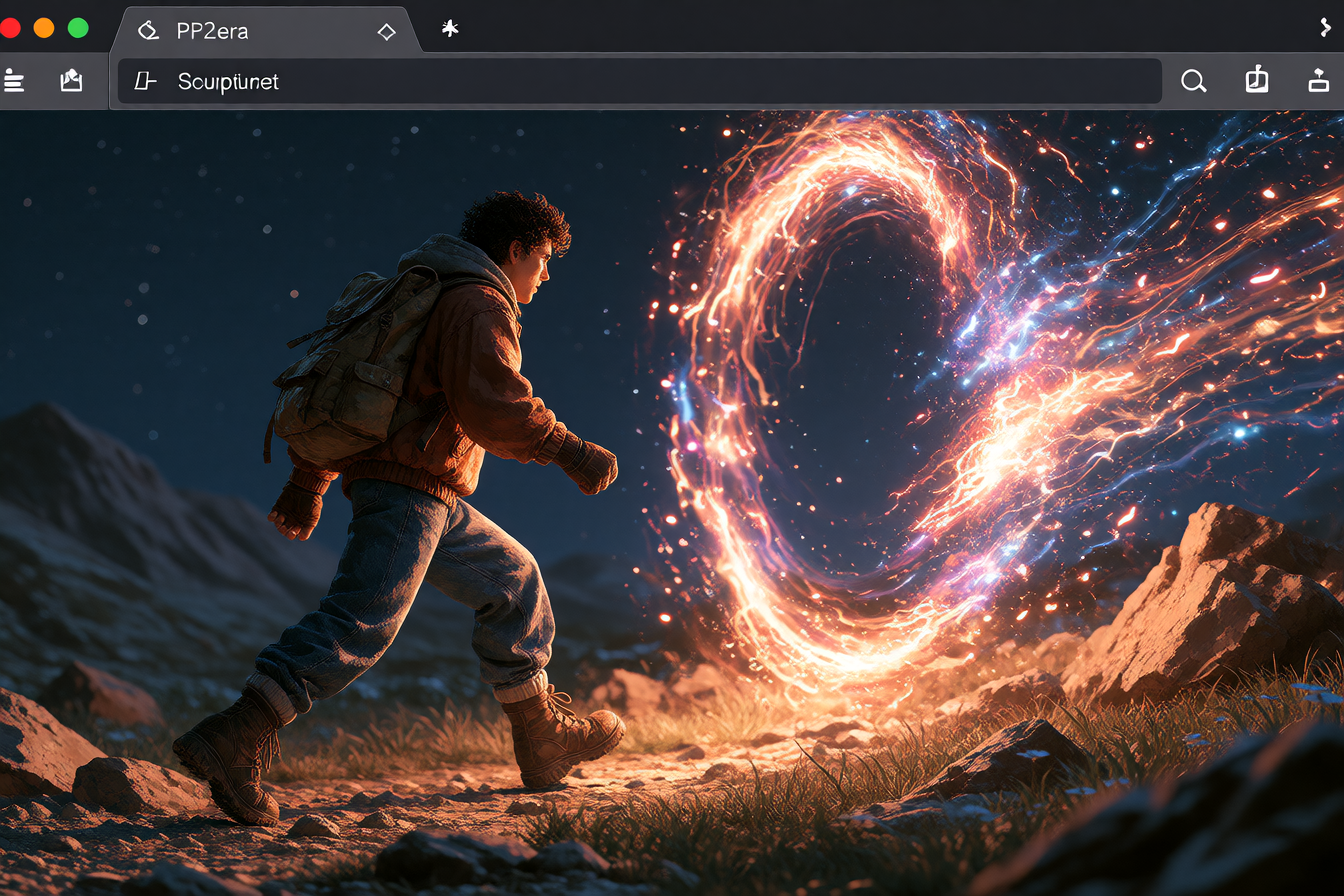
In the past two weeks, hundreds of browser tabs have filled with games that shouldn't be there. Halo CE runs in Chrome. Call of Duty: Black Ops zombies is playable as a link. Skate 3 boots from a webpage. Vice City, The Simpsons: Hit and Run, Modern Warfare 2—all living in tabs, all built from code that didn't exist three weeks ago.
What changed: Claude Opus 5.5, released September 22, 2026, is extraordinarily good at decompiling. Decompilation means taking a compiled video game—the binary file you run—and rebuilding it into readable source code that developers can inspect and modify. It's a job that used to take teams of volunteers months, sometimes years. Now it takes an AI agent left running overnight.
What people are making with it
The wave started quietly in late September with individual creators experimenting on X. One developer pointed Opus 5.5 at Terraria before bed and woke to a fully working reverse-engineered version, then added new weapons—a homing missile launcher, a tactical nuke, new enemies—with sprites and sounds generated on the side. Another had the model decompile Chaos Overlords (1996) and port it to modern macOS in 48 minutes.
The mashups followed. Creators stitched Minecraft into Elden Ring. Skate 3 mechanics landed inside Modern Warfare 2. Creepers showed up in Night City. Minecraft got stuffed into Escape the Backrooms. A tool called Universal Modder, a Claude Code plugin, now detects a game's engine, decompiles it, finds the right mod loader, and can automatically stitch two games together.
The browser ports are real. Kotaku tested Black Ops zombies, Vice City, and Skate 3 running convincingly in a browser tab. The Simpsons: Hit and Run reportedly targeted 240 frames per second in Chrome.
Why it works, and why it's happening now
Decompilation as an AI task has a huge advantage: there's an objective answer key. The recompiled bytes either match the original or they don't. A developer working on Modern Warfare 2 ran 500+ billion tokens through Opus 5.5 over three months, using multiple agents in parallel—one decompiling, one committing code, one reviewing—and achieved 80% byte-accurate reconstruction. The final 20% hit diminishing returns because of non-deterministic code and compiler quirks that can't be reproduced reliably.
Most of the games getting ported are PS2- or PS3-era titles, which had minimal RAM—making the jump to a modern browser less daunting than it sounds. And WASM (WebAssembly) plus WebGPU now let compiled game code actually run in a tab with reasonable performance.
What's actually good and what isn't
The good: the speed is real. A complex task that used to require months of manual reverse-engineering work now completes in days or hours of agent time. Chris Lewis matched all 2,145 functions of Nintendo 64's Snowboard Kids in 84 days using Claude Code—a project that would have taken roughly 596 days by traditional methods. Another developer reached 51% of Klonoa: Empire of Dreams while the agent discovered a 25-year-old Easter egg nobody had found before.
What's hard: the claims about "hundreds of decompiled games" need scrutiny. Most of the browser ports combine AI decompilation with existing human reverse-engineering work, emulators, or leaked code—not pure AI reconstruction. No independent auditor has verified that Claude actually decompiled every project in the viral lists. The mashups, when they work, are often "vibe-coded"—visually convincing but sometimes incomplete or held together by specific tools and workarounds.
The copyright problem is real and unresolved. Most of the games being decompiled are still owned by publishers. First takedowns have begun.
How to try it
If you want to experiment, you'll need Claude Code access—part of a Claude subscription. The workflow is:
- Have Claude Code access the disassembly tools (Ghidra is standard)
- Feed it assembly code and ask it to rebuild in C
- Set up a matching loop: compile, diff the bytes against the original, let the agent iterate
- Add prohibitions so the agent doesn't modify the compiler or add features not in the original
- For mashups: use tools like Universal Modder or set up a dual-runtime where both games run and exchange state
AI Signal has a detailed six-step workflow guide with real examples. The same site covers what works, what's possible, and what's legal—worth reading before you start, especially if you plan to share.