Medieval Bestiary: Searchable creatures from manuscript art
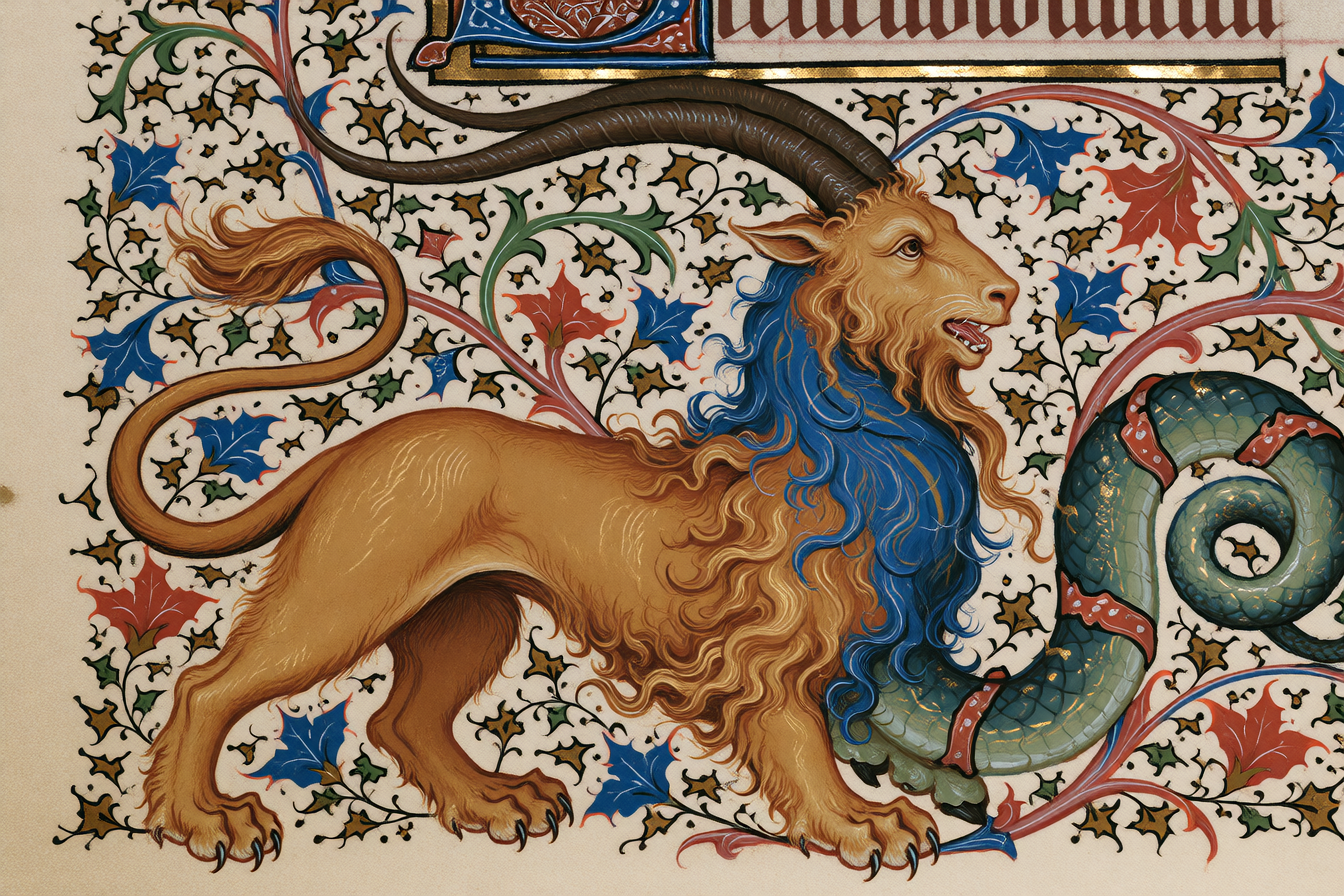
Medieval Bestiary lets you explore how medieval people imagined the animal world, mixing careful observation with pure fantasy in manuscripts that survived centuries. Created by independent scholar David Badke, the site gathers information from actual bestiaries—illuminated books from the Middle Ages that described animals, both real and invented, alongside moral teachings.
What's there
The site is built around a searchable database of creatures and their sources, drawing from actual medieval manuscripts. Badke is an independent scholar based in Victoria, British Columbia, and the site aims to gather information about the Medieval Bestiary and medieval views of animals in general, both fabulous and real. You can browse by individual beast, by manuscript family, or by subject. The website includes indices of bestiary creatures, cross-referenced with manuscripts and relevant scholarship, as well as galleries of medieval illustrations.
Where to start
- Search for a creature: Look up a specific animal—say, a unicorn, griffin, or manticore—and find which manuscripts illustrated it and what the medieval text said about its behavior and meaning.
- Browse by manuscript: If interested in bestiary manuscripts, start with the section on manuscript families, or if you want to learn about a particular animal, start with the Beasts pages. See how different medieval versions tell different stories about the same creature.
- High-resolution illustrations: Images have been digitally enhanced and are shown at high resolution. Zoom in on the ornate borders, gold leaf, and strange anatomies.
Make something from it
The site shows how medieval artists mixed observation with imagination—a creature might have a real animal's body but an invented head, or combine three animals into one impossible form. The color palettes, decorative frames, and strange logic of these designs offer endless inspiration for contemporary illustration, design, or character work. The bestiary tradition also shows how artists used visual exaggeration to teach morality: a creature's cruelty or wisdom was often written directly into its grotesque or noble form.