Melies: 424 Cinematography Techniques with Examples and Prompts
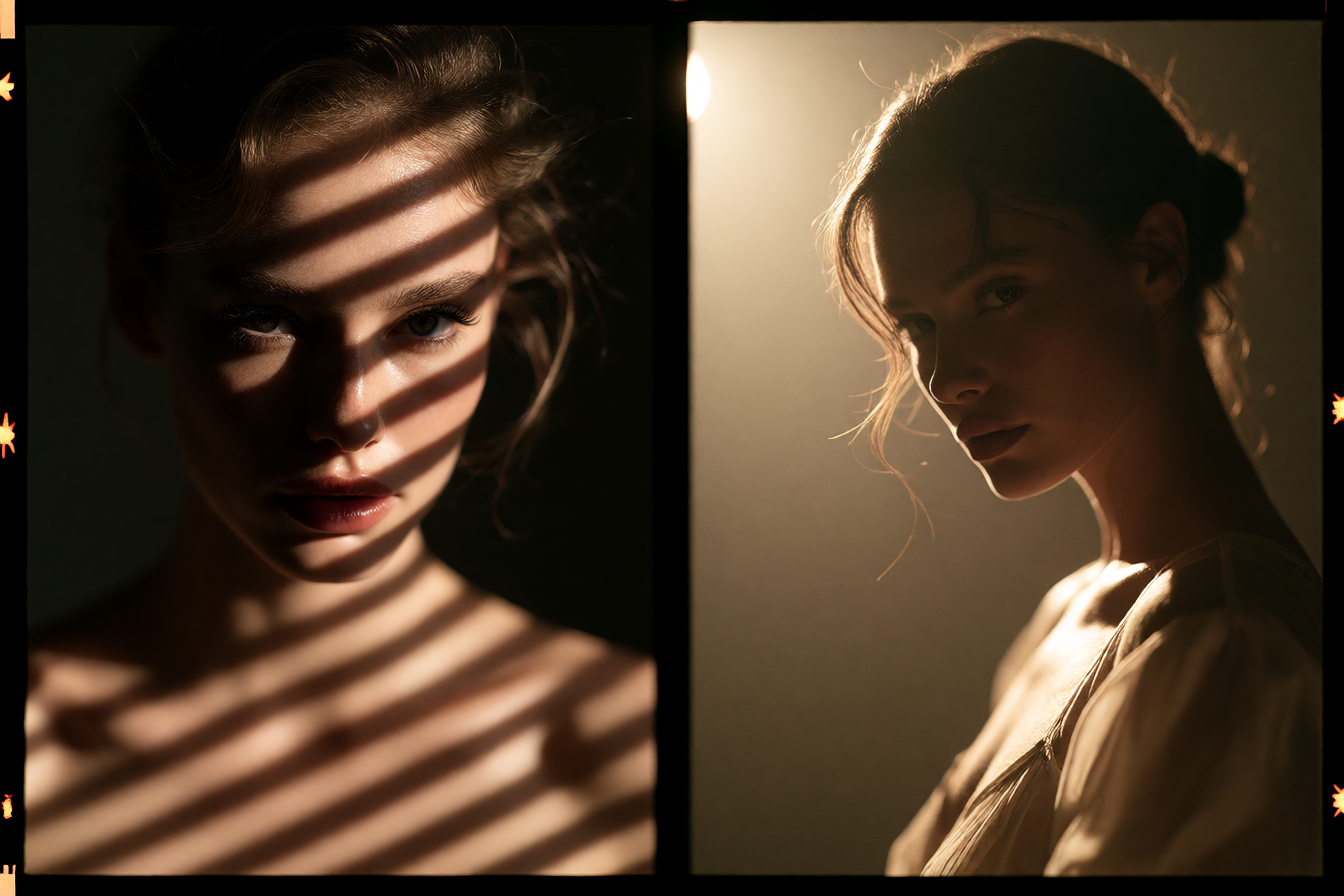
Melies Cinematic Techniques is a free visual dictionary of how cinema actually works. It catalogs 424 techniques across camera movement, lighting, framing, composition, lenses, color, editing and genre looks—the vocabulary that cinematographers use to control mood, guide your eye, and tell stories through pure image.
What's there
Melies, made by a filmmaker and designer team, organized cinematography into a searchable reference library. Each of the 424 techniques gets its own page with a clear definition of what it does, examples pulled from actual films that use it, and an editable prompt you can copy into an AI image generator. It's not a glossary buried in text; it's visual and immediate. You browse by category: Three-Point Lighting, Dutch Angles, Chiaroscuro, Silhouette, Rack Focus, Match Cuts. Each one shows you the effect, tells you why it matters, and gives you the words to describe what you're seeing.
Where to start
- Lighting section: Start with the classic setups that defined visual language—Rembrandt lighting, low-key noir shadows, high-key comedy brightness. See how each one shapes emotion through the direction and intensity of light alone.
- Film noir techniques: Browse the specific tricks that made noir look like nothing else: venetian blind shadows cast as psychological prisons, Dutch angles tilted to suggest moral disorder, silhouettes that obscure faces to heighten mystery.
- Camera movements and angles: Understand how a crane shot differs from a dolly shot, or how a low angle of a character makes them powerful while a high angle makes them vulnerable. Each has a prompt ready to test it.
Make something from it
The real use is making these techniques tangible. You can read about Orson Welles' deep focus in Citizen Kane, but seeing it categorized alongside other depth-of-field tricks helps you understand his choice. If you make art—visual or otherwise—you now have a language to describe what you're trying to do. The prompts let you generate examples of techniques you've never seen applied, training your eye to recognize the difference between high-key and low-key lighting or between a close-up that feels intimate versus invasive. Every technique has film history built in; noir belongs next to German expressionism, which belongs next to silent film vocabulary, which appears again in contemporary horror.