Mirrorize V3 image generation model is coming soon
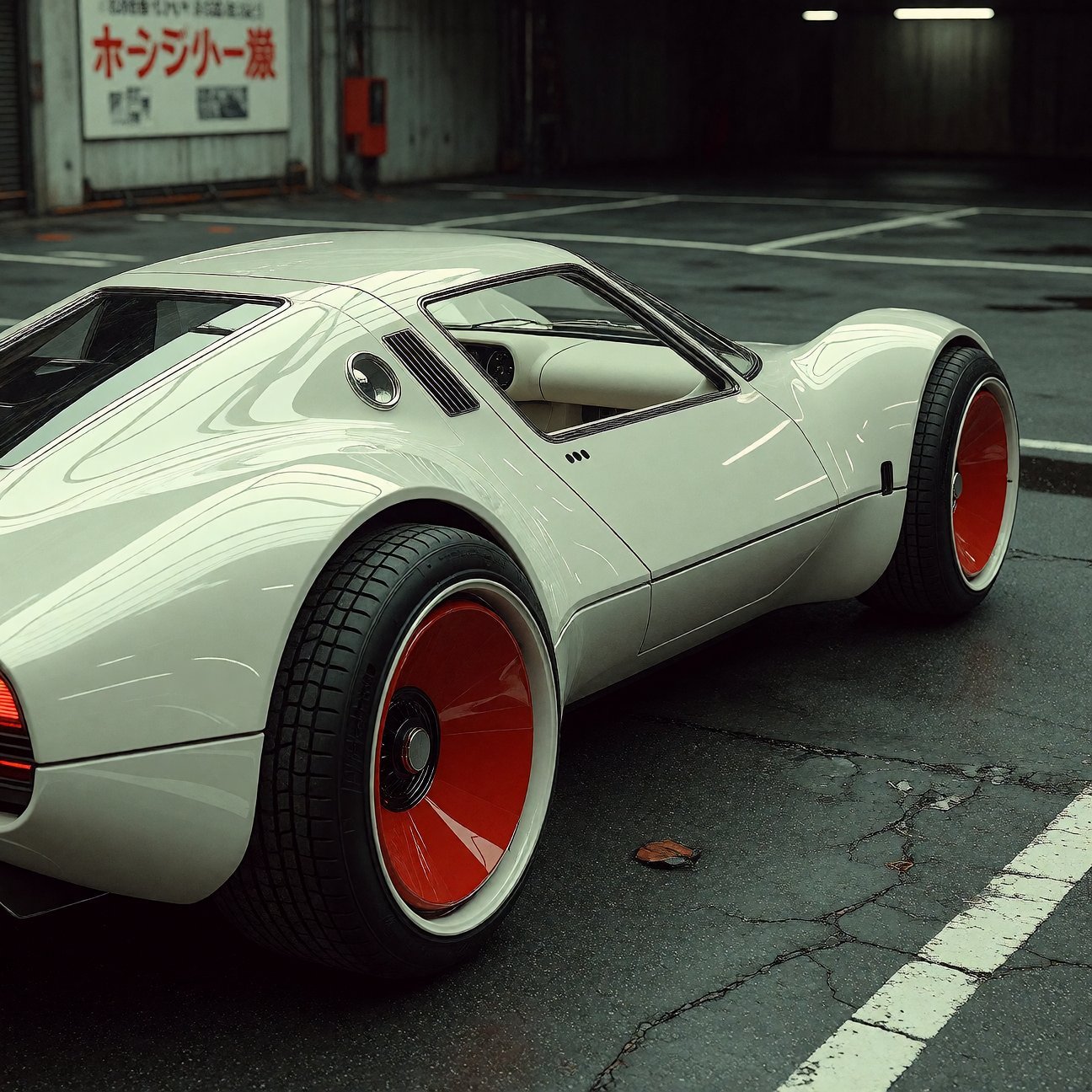
Mirrorize V3 and Yume V3 enter alpha
We built our new image models the wrong way on purpose, and it worked.
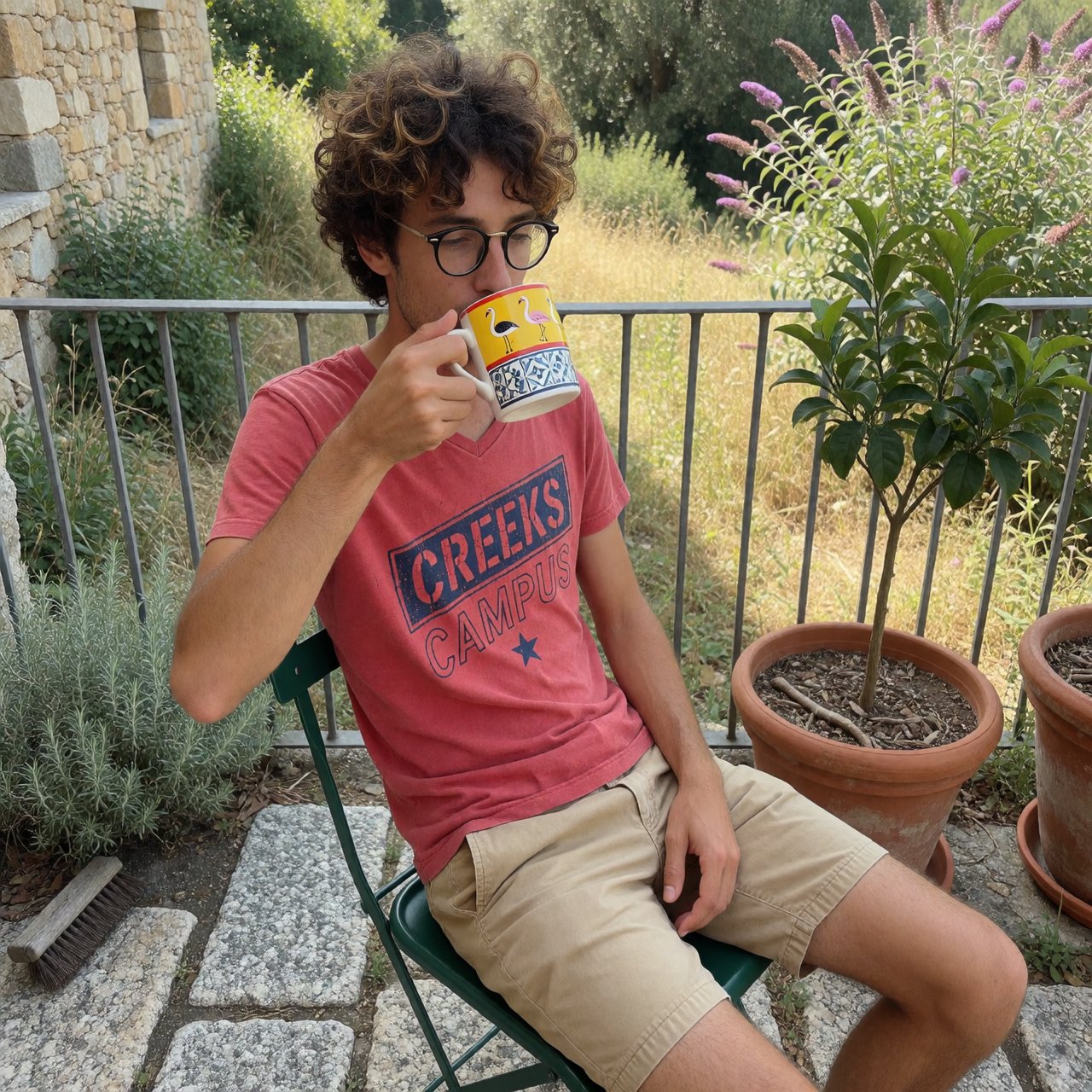
Today we're opening alpha testing for Mirrorize V3 and Yume V3 — the next generation of image generation on Mirrorize. They come out of a development process that looks nothing like how these models are usually made, and the result is a generator with a different feel: sharper where it counts, stranger where it helps, and priced well below what its output would suggest.
The short version
Most image models are optimized toward a safe center. They're trained to make the average of a good picture — well-lit, well-composed, and, increasingly, indistinguishable from one another. We went the other way. Mirrorize V3 was built by chasing the moments where a model does something unexpected and right, then learning to reproduce them on command.
We call these beautiful mistakes, and finding them is not an accident. It's the whole method.
Beautiful mistakes, on purpose
A beautiful mistake is what happens when a model reaches for something outside its comfort zone and lands somewhere better than the prompt asked for — a pose no stock library would stage, a fall of light that a careful model would have smoothed away, a composition that breaks a rule and is stronger for it.
Every generator produces these. Almost every training process trains them out, because they're inconsistent, and consistency is easier to measure than magic. Our bet was the opposite: that the strange, good outputs are the point, and that with enough testing you can turn them from happy accidents into a reliable capability.
So we built for volume. An enormous amount of the work behind V3 is testing infrastructure — the ability to generate, evaluate, and compare at a scale that lets us find the rare exceptional output and understand why it happened, rather than shrugging and moving on. The unorthodox strategy isn't recklessness. It's the discipline required to make the unpredictable repeatable.
What it's good at
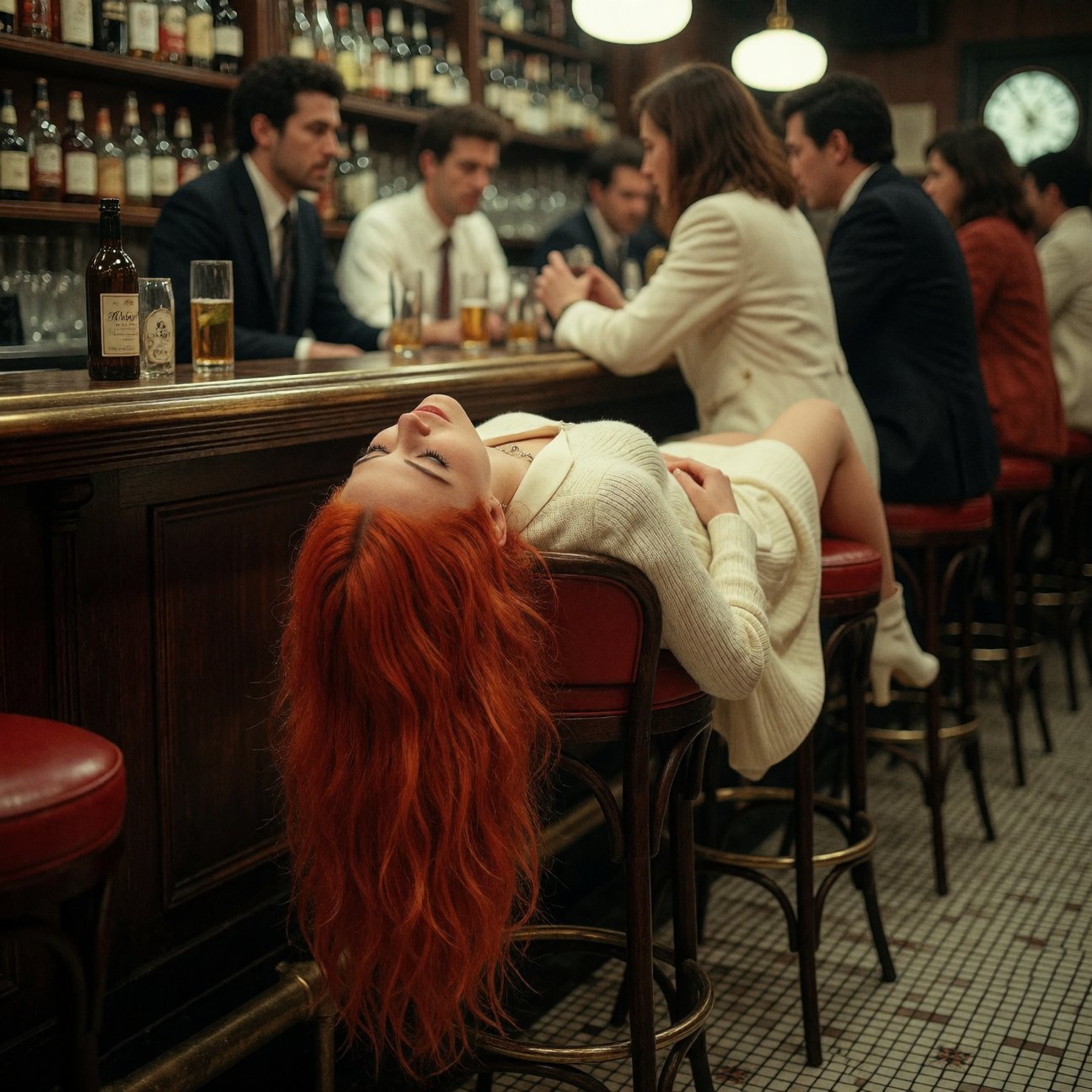
Dynamic shots and unusual posing. This is where V3 separates itself most clearly. Ask most models for an unconventional pose and they quietly correct it toward something safer and stiffer. V3 commits. Motion, foreshortening, off-balance and off-center compositions, bodies caught mid-action — the shots that usually collapse into awkwardness are where this model is most alive.
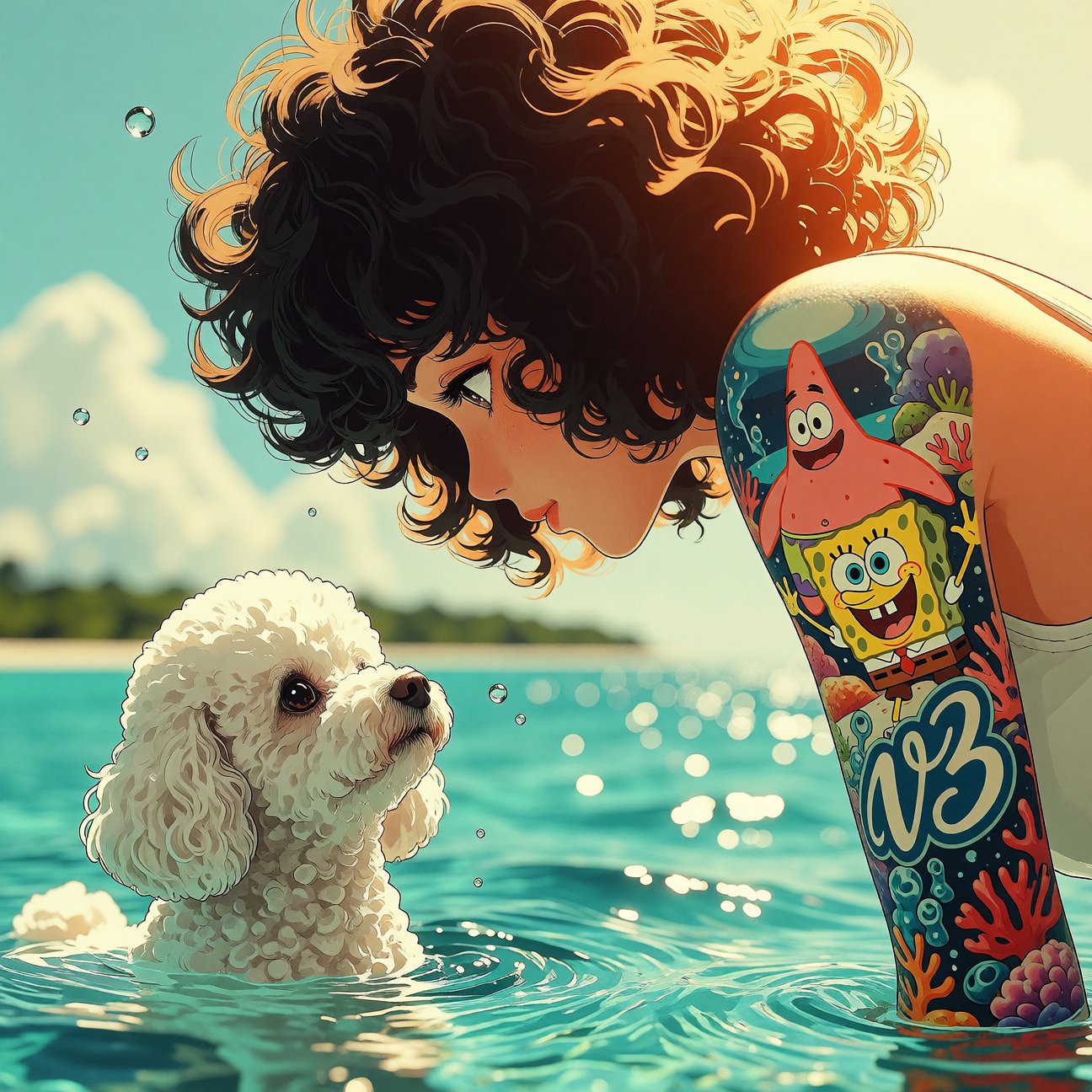
Detail that holds up under light. V3 renders the fine textures that sell an image as real: arm hair catching a rim light, skin that has pores instead of plastic, fabric with actual weave. The test we kept coming back to is how detail behaves in light rather than in flat render — and this is where the extra work shows.
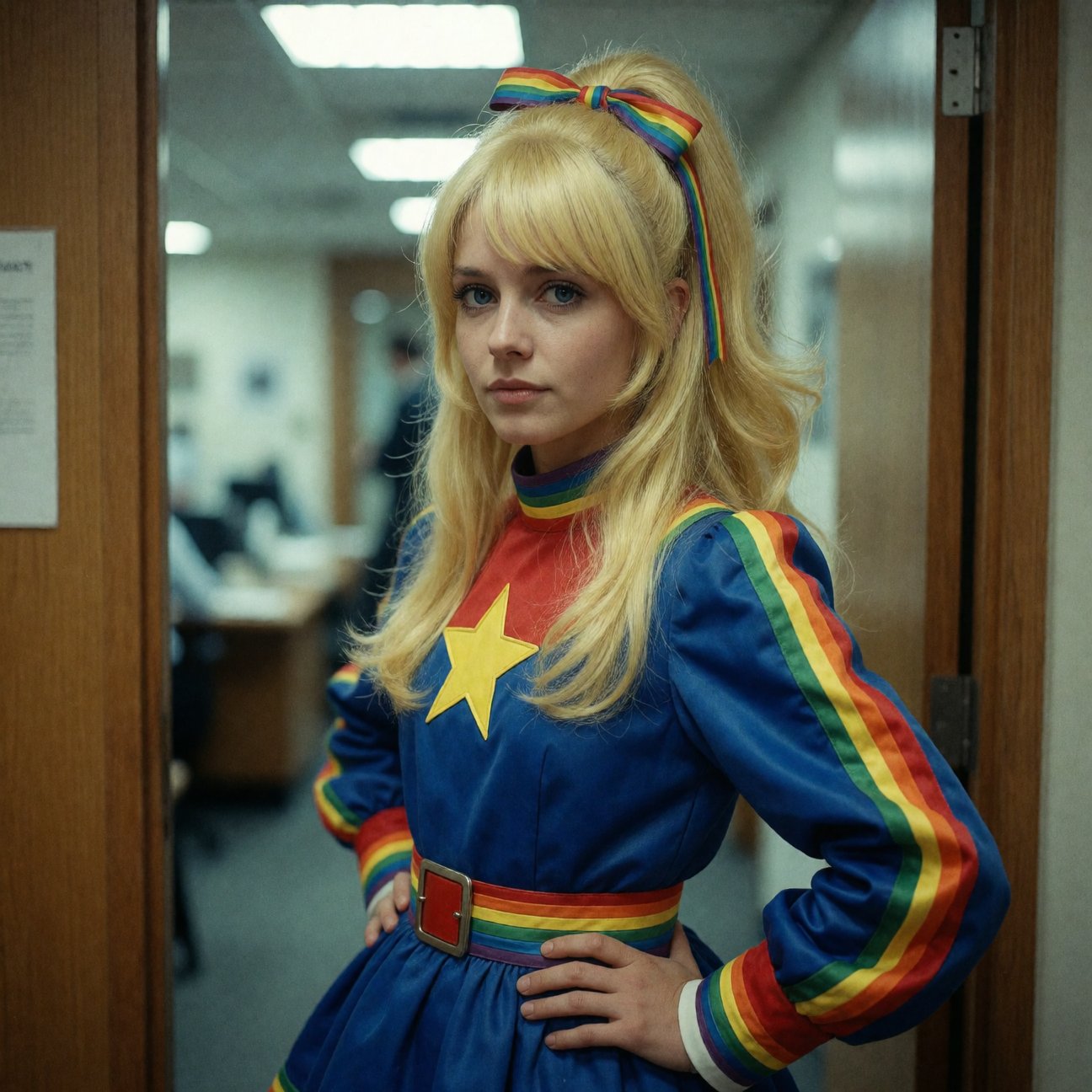
Cinematic capability. Direction of light, depth, atmosphere, the sense that a frame was lit by someone who meant it. V3 treats a prompt like a scene to be shot, not a subject to be centered.
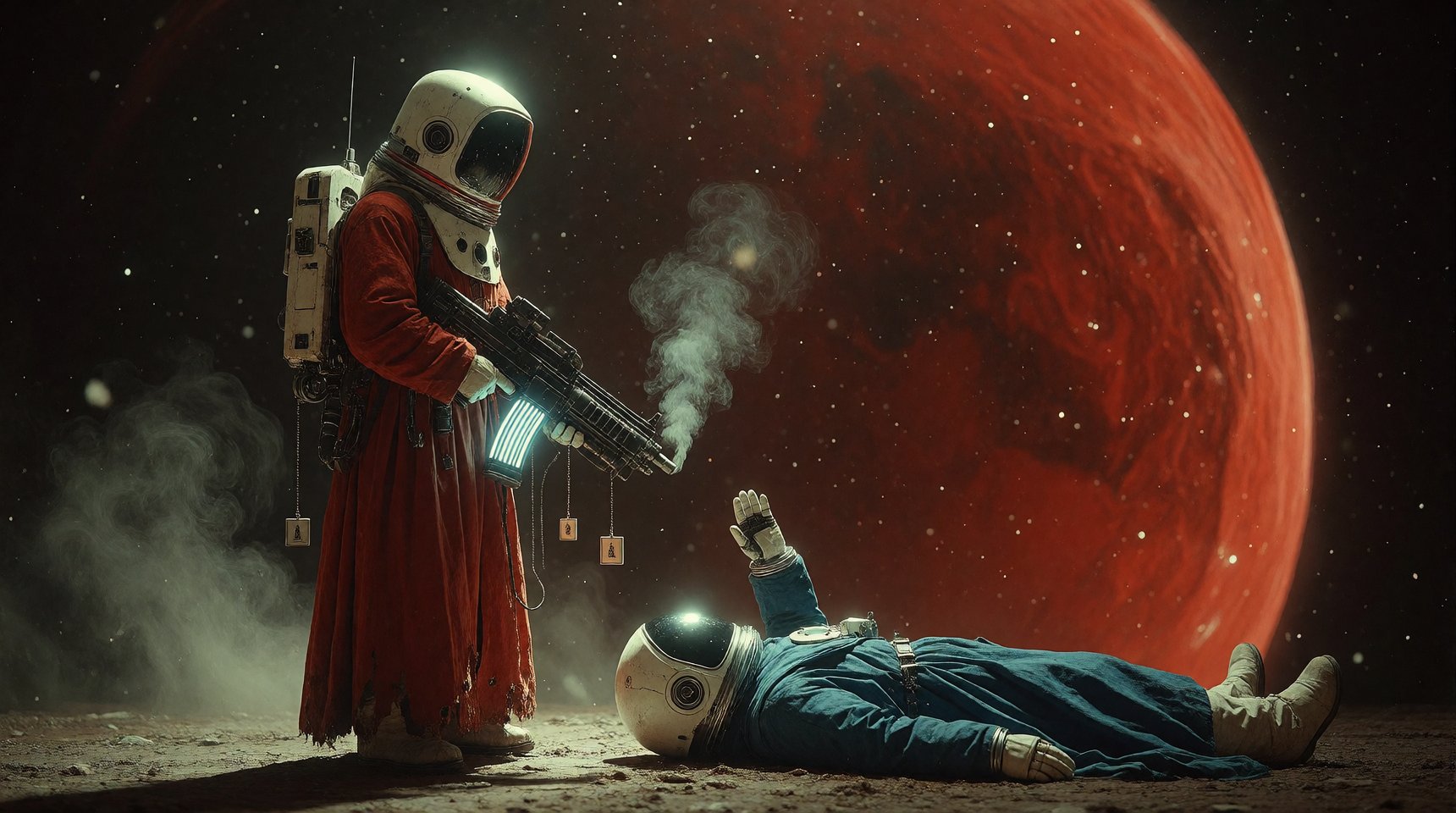
Text that actually reads. Text rendering is where most models still visibly break, so we built the front end to take it seriously — running prompts through three separate text classifiers before generation. The payoff is legible, correctly spelled, well-placed text that survives the trip from prompt to pixels instead of dissolving into the usual approximation of letters. Its so advanced it can mimic watermarked shutterstock style images
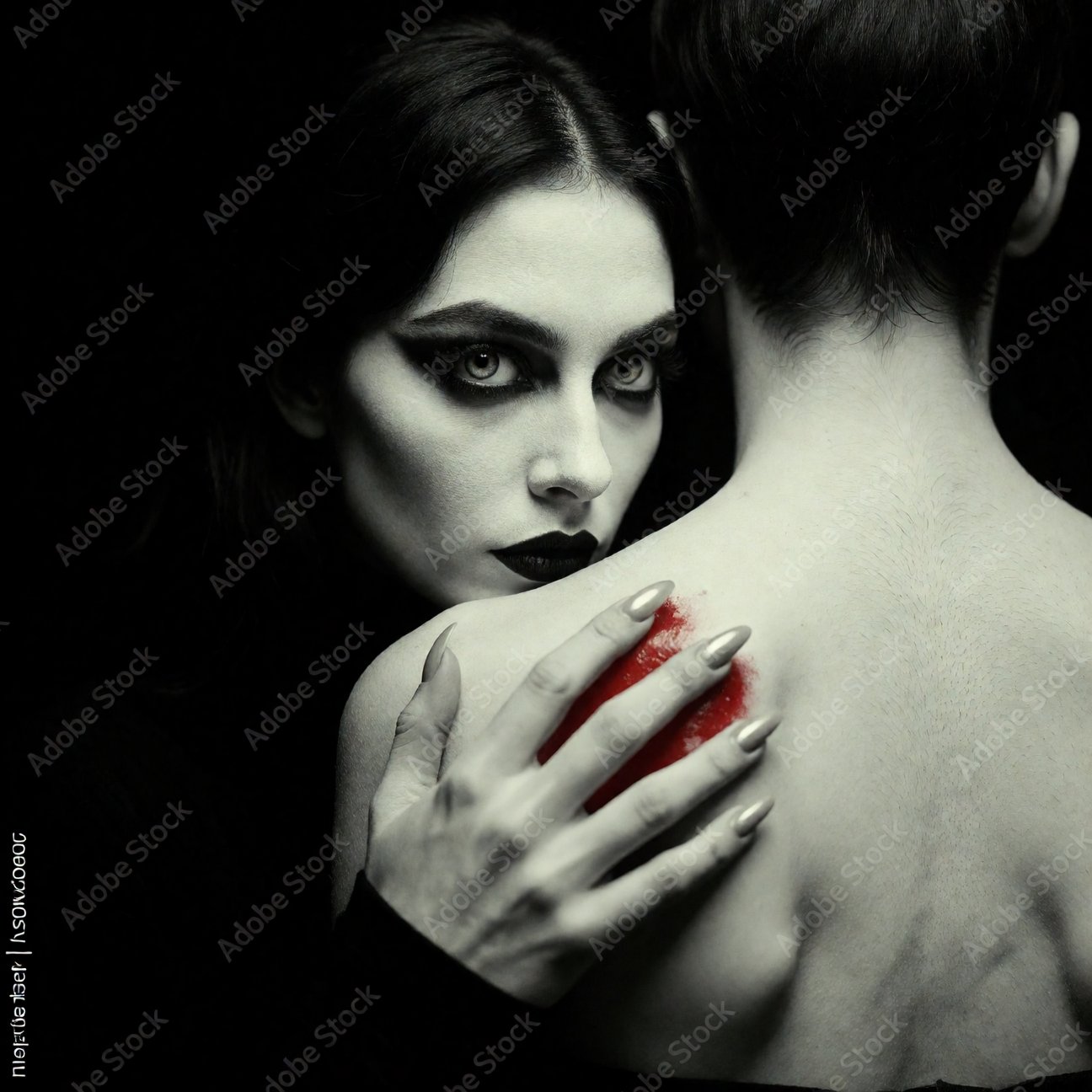
And finally a massive leap in prompt coherence over Mirrorize V2 and V1
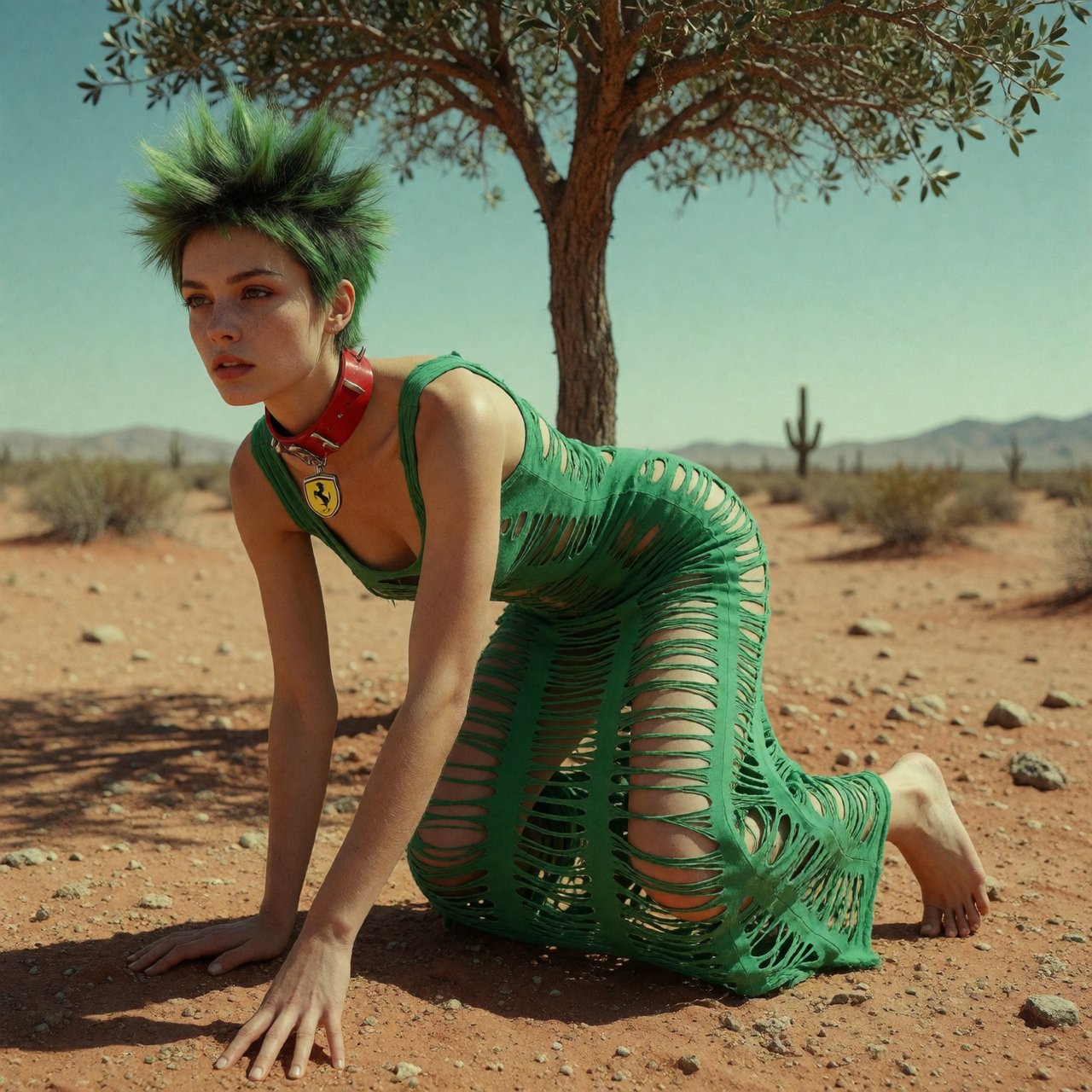
Example prompt: Absurdress Ferrari young woman barefoot in the desert, green torn dress red choker necklace and spikey short green hair she’s in dynamic pose from staying low under a single tree
V2 is lacking some details in the prompt that V3 was able to catch, plus was able to understand direction from more vague prompting. thinking models in front of the image generator are doing a ton of work here.
V2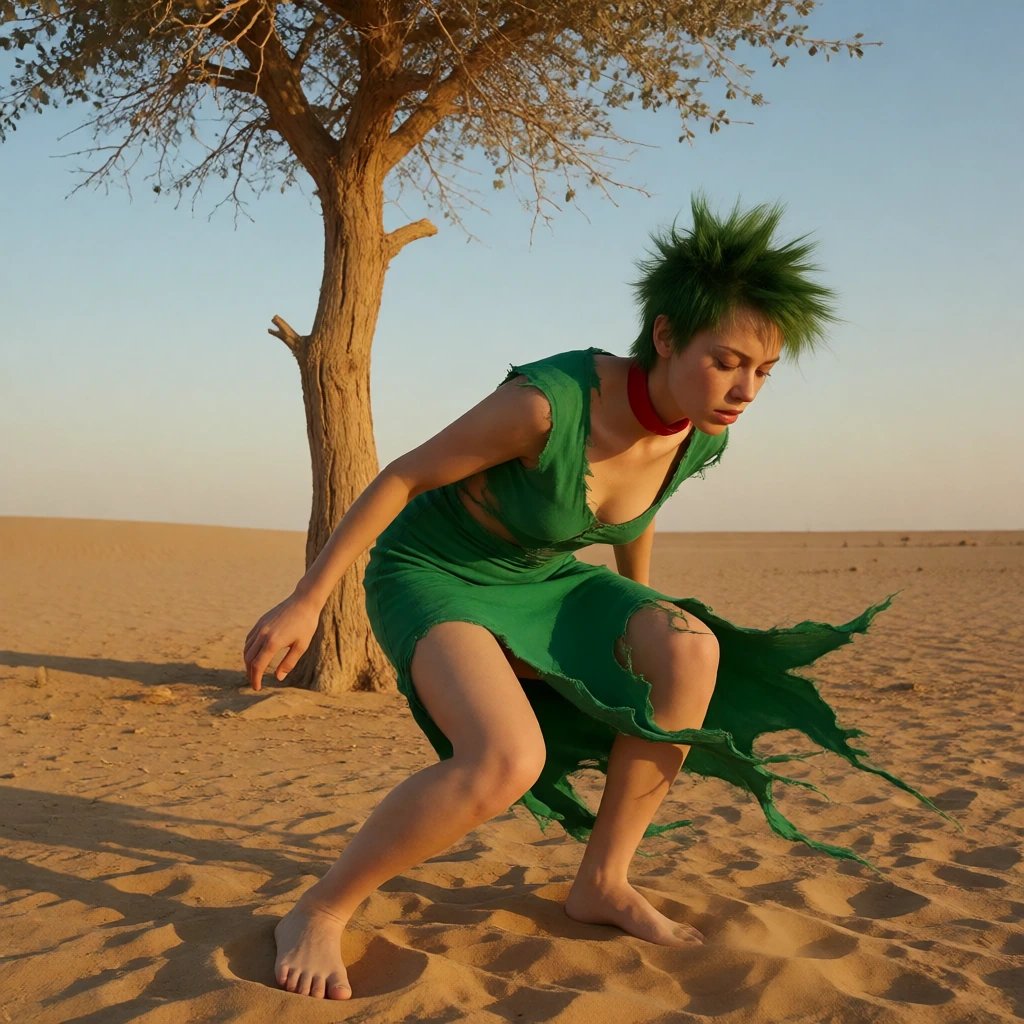
V3
V3 is built on a deliberate mix of open-source foundations and proprietary data and methods. We're not going to lay out the recipe, but the combination is what lets a model at this price sit in the conversation with generators that cost considerably more to run.
That price-to-capability ratio is the practical claim we're most confident in. Judge it on your own prompts — that's what alpha is for.
Yume V3
Yume V3 is built on the same foundation, tuned toward its own aesthetic sensibility. If you already know Yume, V3 is the sharpest, most expressive version of it yet, and it inherits everything above — the posing, the detail, the light, the text handling.
This is alpha — and we mean it
Both models are in alpha, which is a real word here, not a marketing softener.
Alpha means the capability is present but the edges are not finished. You'll find prompts that sing and prompts that stumble. A model built to chase the unexpected will, sometimes, be unexpected in ways you didn't want. That's not a bug we're hiding — it's the exact frontier we're asking you to help us map. The testing that made V3 possible doesn't stop at launch; it's how the model gets better, and your prompts are now part of it.
If you generate something that makes you stop and look — the kind of shot you weren't sure a model could make — that's the signal we're chasing. Tell us. And when something breaks, tell us that too. Both make the next version sharper.
Try it
Mirrorize V3 and Yume V3 are available now to alpha testers. Bring your hardest prompts — the dynamic poses, the impossible lighting, the shots that usually fall apart. That's where you'll see what these models are for.
Make something strange and good.