Radio Aporee Maps: Thousands of Field Recordings Pinned to Locations Worldwide
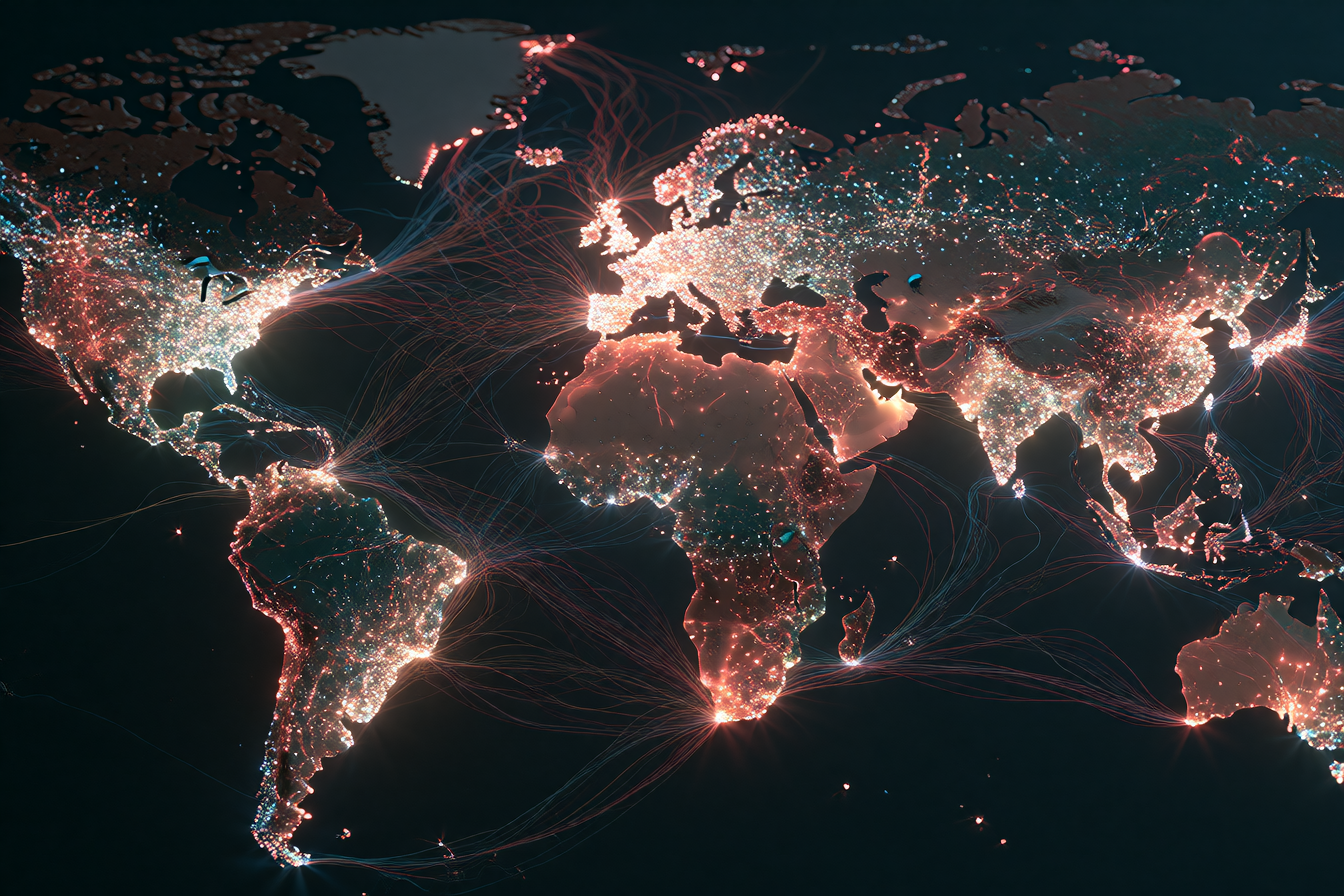
Radio Aporee Maps lets you wander the world through its sounds. It's a global soundmap dedicated to field recording, acoustic ecology and the art of listening. It contains many thousands of field/location recordings from numerous natural, rural and urban environments, public and private spaces, showing the audible complexity and condition of our world, as well as the different perceptions and artistic perspectives of its many contributors.
Radio aporee was founded and is run by Berlin/Cologne based artist & media technologist Udo Noll. The project started in late 2006. About 1,000 people have contributed the majority of the sounds. Files have been published on the website under Creative Commons License.
What's there
Many thousands of field/location recordings from numerous natural, rural and urban environments, public and private spaces. You can browse by continent, search by address, or simply zoom and click red dots on an interactive map.
Where to start
- Zoom into a specific city. Pick somewhere familiar and hear what it sounds like—a train station in Berlin, a street market in Istanbul, a park during a festival. The recordings are long enough to feel immersive, not quick sound-bites.
- Search for unusual locations. Try the search bar to find recordings from specific places: a waterfall, a abandoned building, someone's balcony during a storm. Each has coordinates and often includes technical details about the microphone used.
- Listen to the 24-hour radio stream. At radio.aporee.org you can tune in to continuous playback that supposedly responds to events (new uploads, listener activity, mobile app use) in real time, creating an ever-shifting soundscape of the world.
Make something from it
The recordings themselves—their textures, rhythms, and ambient qualities—are ready-made palettes for sound design or experimental music. The project asks viewers to think about acoustic ecology and what places sound like, which opens up visual work around soundscapes: what colors belong to a crowded market versus a forest? How would you represent the difference between a subway platform in Tokyo and one in Berlin? Use the sounds as reference or inspiration to create visual interpretations of space and place.