Stalker: An Italian Photographer's Archive of 10,000+ Abandoned Places Across 50 Countries
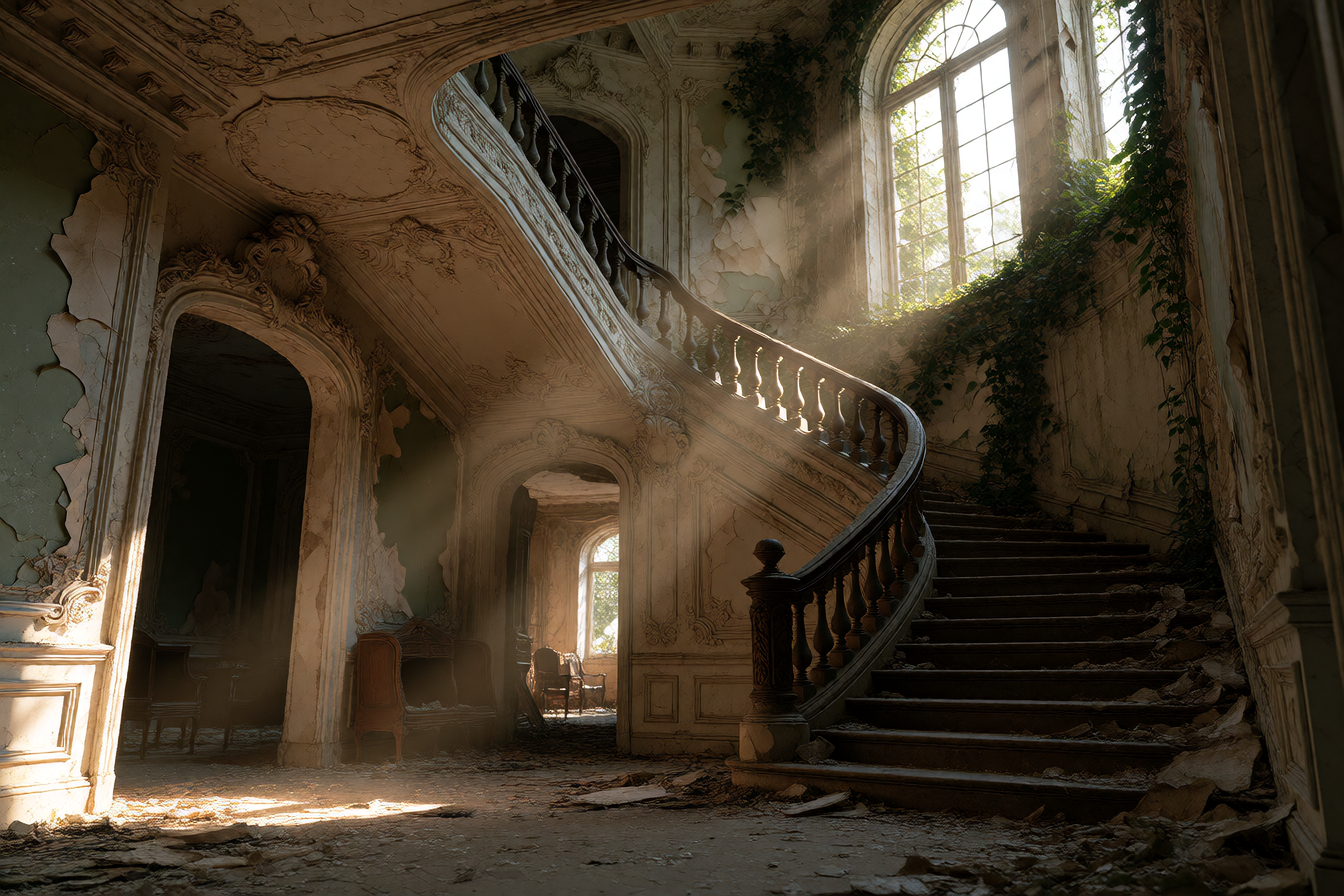
Stalker is a documentary archive of abandoned places built by Jacopo, an Italian photographer and traveller, who started the project in 2016 from a flat in Passau, Germany. What began as a personal blog of exploration has grown into a searchable collection of thousands of photographs paired with field research articles and coordinates, documenting forgotten spaces across 50+ countries: industrial ruins, shuttered hospitals, decaying castles, ghost towns, abandoned amusement parks, and crumbling churches suspended between decay and history.
What's there
Stalker organizes its collection into 23 browsable categories: factories, hotels, sanatoriums, castles, theaters, military installations, shopping malls, universities, and others. An interactive map lets you explore by region—Western Europe, Eastern Europe, the Balkans, the Caucasus, Southeast Asia, Japan, Korea, and beyond. Each location entry combines documentary photography with historical context and architectural observation. Some sensitive sites intentionally lack exact coordinates to prevent vandalism.
Where to start
- Browse by category: Click into "Factories" or "Castles" to see clusters of similar structures across different countries, understanding how industrial decay or aristocratic abandonment plays out differently across cultures.
- Explore the interactive map: Zoom into a region you don't know well—say, abandoned Soviet sanatoriums in Latvia, or shuttered resorts in Thailand—and read Jacopo's field observations on what drew people there and why they left.
- Read the interviews and essays: The archive includes long-form pieces on urban exploration as a practice, conversations with other explorers about ethics and preservation, and photo essays on specific sites like Goussainville (a French village emptied when Charles de Gaulle Airport opened nearby).
Make something from it
The collection is a visual encyclopedia of decay patterns: how humidity warps wood, how plants break concrete, how interiors look when abandoned by humans for decades. The color palette alone—rust, verdigris, faded wallpaper, moss green, exposed brick—offers a continuous reference for mood and atmosphere. Beyond aesthetics, each location carries a story of economic collapse, natural disaster, or historical rupture; artists could mine these narratives for context, or use the photographs as reference for fictional ruins, game environments, or speculative architecture.