The Backrooms General Public Database: 802 Levels of Impossible Architecture
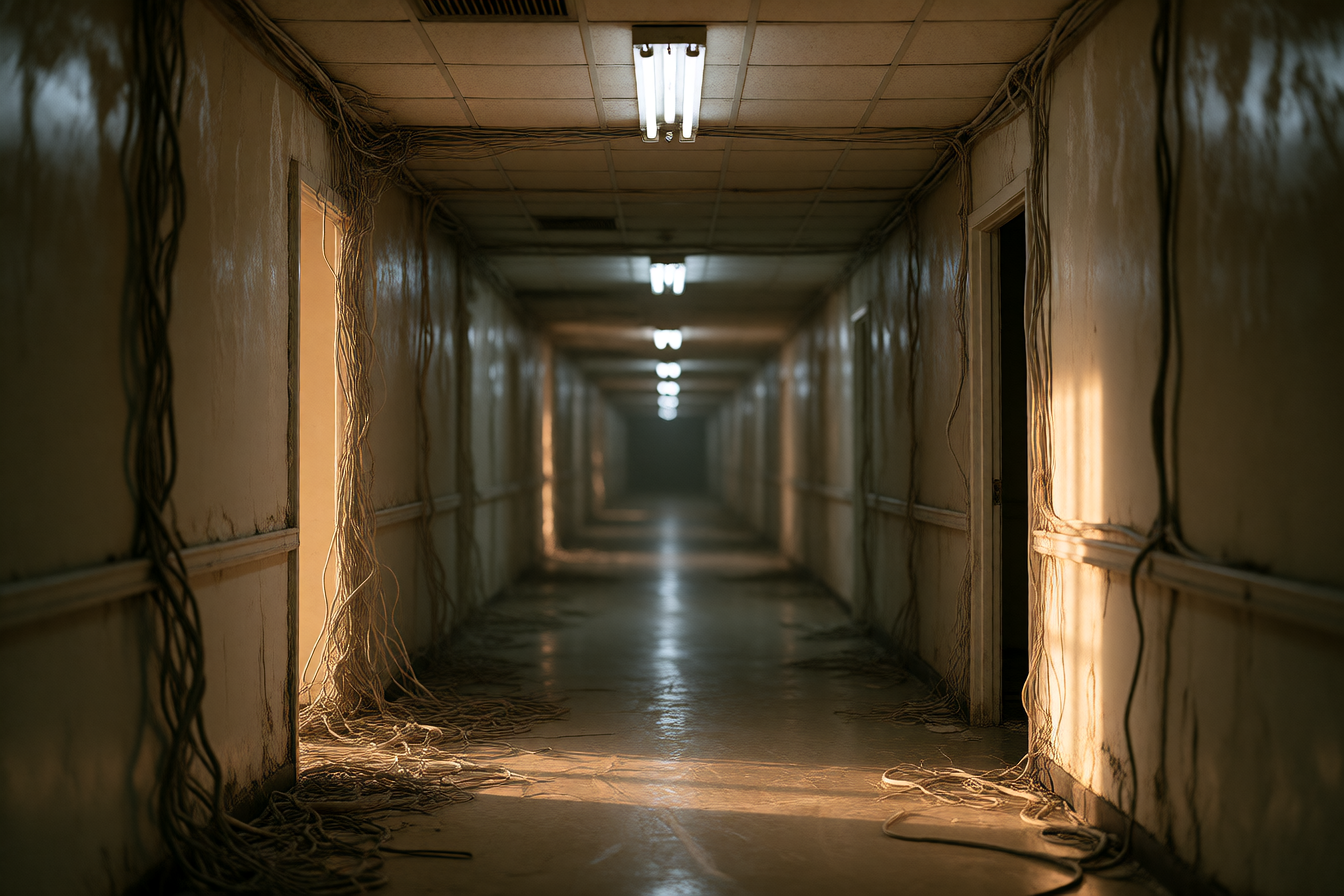
The Backrooms General Public Database is a freely browsable archive of impossible places built by the internet community. It treats the Backrooms—a surreal, endless maze-like dimension—as though it were a real location that researchers have been documenting and mapping since 1987. Each level is catalogued like a government database entry, complete with entrance procedures, survival difficulty ratings, documented entities, and exit conditions.
What's there
The BGPD contains over 800 levels organized into clusters of 1,000. The site is styled to feel like an old operating system interface (Back OS™) with a search engine called BackNET Explorer, lending it the atmospheric quality of a classified document system. Entries range from the famous Level 0 (yellow drywall rooms, the entry point) to concept levels that follow no logical numbering, negative levels accessible only by random chance, and enigmatic levels too strange for classification. Each description includes atmosphere, hazards, entities you might encounter, recommended equipment, and testimony from explorers who claim to have been there.
Where to start
- Level 0 (The Lobby): The yellow room maze most people recognize—a good anchor point to understand the aesthetic, with descriptions of its infinite corridors and fluorescent hum.
- Level 37 (The Poolrooms): An entire level of still water under low ceilings—visually striking and atmospheric in a way that lends itself to illustration.
- Negative Levels: Follow no documented access route and appear randomly; browsing these gives you the dream-logic feeling the aesthetic is built on.
Make something from it
The BGPD is essentially a visual and conceptual mood board for liminal and surreal art. The levels offer specific palettes (industrial yellows, concrete grays, poolroom blues, carpeted hallways), architectural language (repeating panels, fluorescent banks, impossible geometry), and storytelling structure. You could extract descriptions and render them as environments, build on the survival-manual aesthetic with your own illustrated guides, or use the entity descriptions as prompts for character or creature design. The collective worldbuilding shows how constraint breeds creativity—each level description is stripped down to essentials, which lets visual imagination take over.