The Dreamcore Archive: A Handmade Museum of Familiar Yet Impossible Places
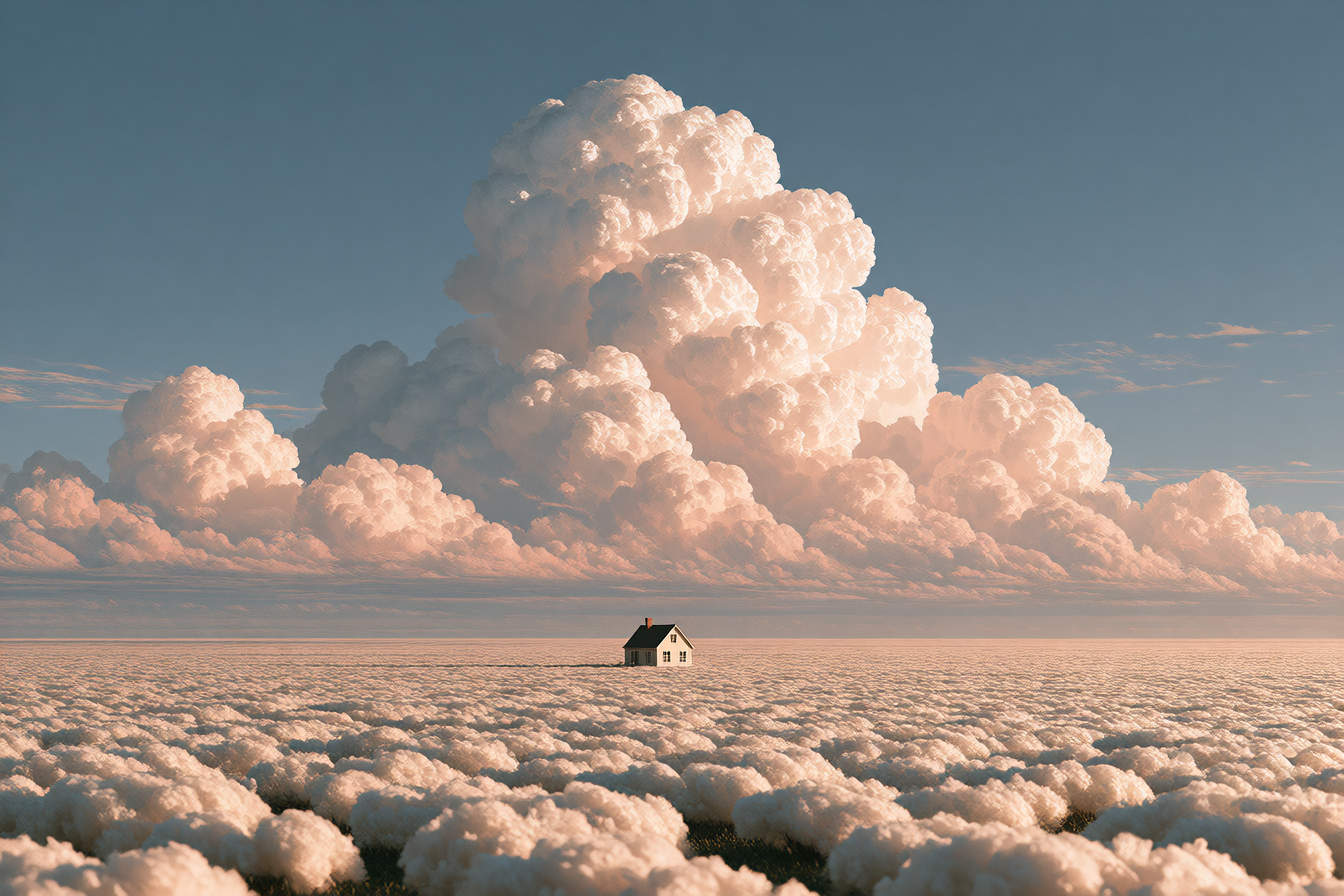
The Dreamcore Archive is a digital museum devoted to dreamcore and liminal spaces—that peculiar internet aesthetic of places you recognize but have never actually visited. The site's core insight: there's a word for the feeling these images produce: anemoia, longing for a time or place you've never known.
What's there
Made by hand, with no frameworks or cookies, the archive is built like the classic internet aesthetic sites you might remember. It treats dreamcore as seriously as you would any visual movement. There's a searchable glossary explaining the ingredients that make these images work (the endless field, the floating eyes, the small house on the horizon, the missing child's balloon), a detailed history from De Chirico's paintings through Yume Nikki to the Reddit boom of 2019, comparisons with sister aesthetics (weirdcore, liminal spaces, vaporwave, nostalgiacore), downloadable wallpapers, and a complete maker's guide.
Where to start
- The wallpapers section: Names like "the house on the horizon" and "the laundromat that dreams." Each one is hand-captioned with why it works, and you can right-click to save them like it's 2004. The annotations are as much art as the images.
- What is dreamcore? — the definition table: Rows that explain floating eyes ("the feeling of being watched inside a dream, made literal"), pink clouds, doors standing alone in fields, and the eternal light of a summer 3 p.m. where time doesn't pass. This is dreamcore's visual grammar, explained.
- Resources — the maker's toolbox: Free image editors (Photopea, GIMP, XP Paint), 3D tools, photo sources from Wikimedia and Flickr filtered by era, fonts to caption like a modem, and exact color palettes for the sky (#a8d8f0) and grass (#7ab648).
Make something from it
Artists can steal the visual language directly: the color palette, the lighting that casts no shadows, the low resolution as a matter of principle. But the real gift is understanding the grammar. Dreamcore works because these spaces feel like they should exist. They're just one degree removed from reality—a 2004 camera, a PS2 render, a digital-camera mishap. Use that uncanniness. The site itself models what good curation looks like: treating internet folk aesthetics with real scholarship.