Why Your AI Art Reveals More About You Than You Think
Your Creative Choices Say More Than You Think
Every time you generate an image, choose a color palette, or pick a subject to create, you're making decisions that reveal something about yourself. Not in some mystical way — but in the same practical sense that your playlist choices or the photos you save say something about what catches your attention.
The images you create with AI tools aren't random. They come from your interests, your aesthetic preferences, and the things you find worth making. Even when you're just experimenting, the patterns in what you choose to create start painting a picture of who you are.
The Subjects You're Drawn To
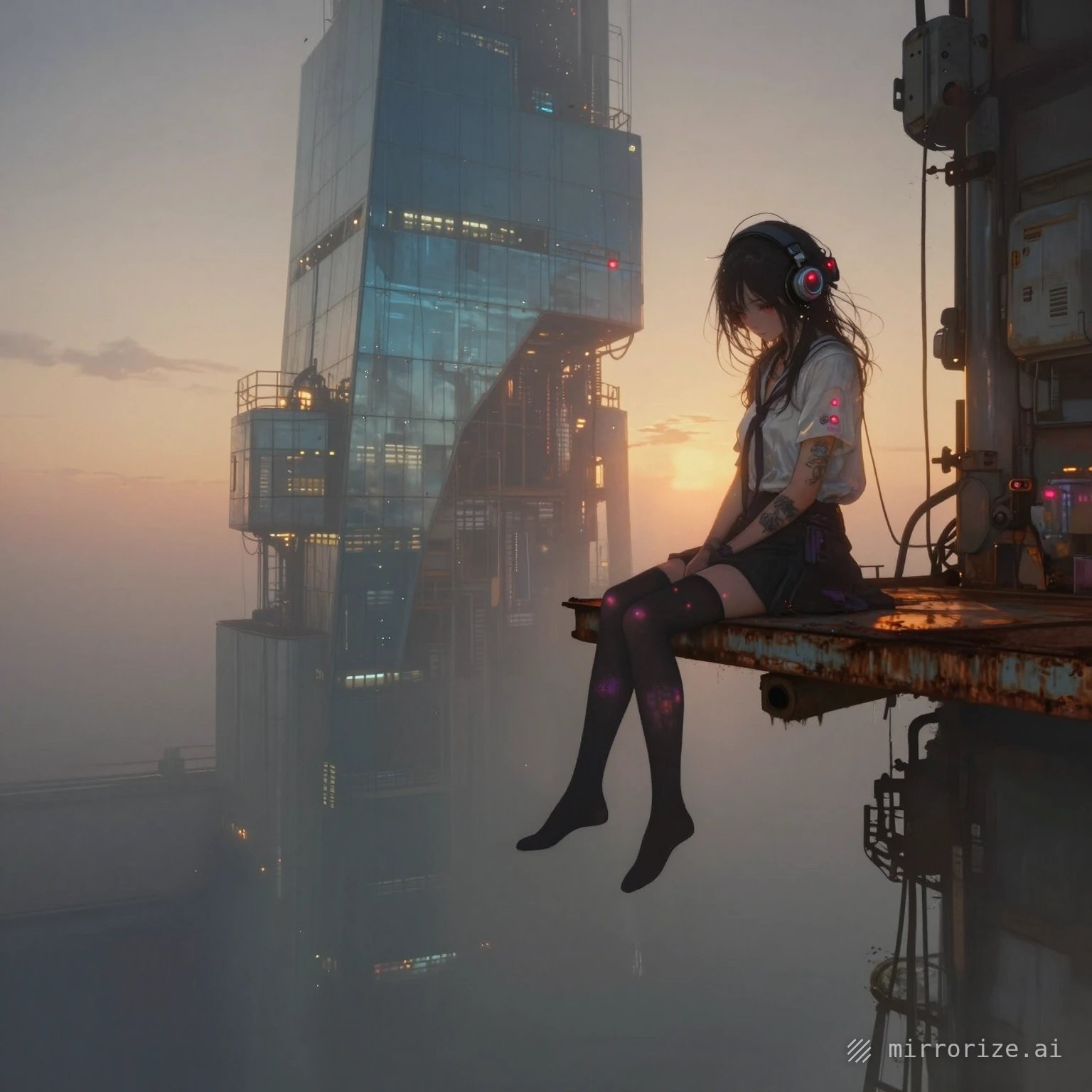
Notice what you keep coming back to. Some people open an AI art tool and immediately start creating fantasy landscapes. Others go straight for portraits. Some can't stop generating cyberpunk cityscapes, while others are all about nature scenes or abstract designs.
These aren't random preferences. They're reflections of what resonates with you:
- Fantasy and sci-fi creators often have rich inner worlds and love exploring "what if" scenarios
- Portrait artists tend to be fascinated by people, emotions, and human connection
- Nature-focused creators typically find peace and meaning in the natural world
- Abstract artists usually think in concepts and patterns rather than literal representations
- Dark or moody themes don't make you depressed — they often indicate someone comfortable exploring complex emotions
The consistent themes in your work show what your mind gravitates toward when given creative freedom. That's valuable self-knowledge.
How You Describe What You Want
The words you use when describing an image reveal your vocabulary, your cultural references, and your visual literacy. Two people creating "a sunset" will describe it completely differently based on their experiences.
One person might write: "Golden hour over calm ocean water, peaceful and minimal." Another might say: "Dramatic sunset with explosive orange and purple clouds, waves crashing." Same basic concept, totally different emotional temperature.
Your natural descriptive style shows:
- Precision vs. openness — Do you specify every detail or leave room for surprise?
- Emotional vs. technical — Do you describe feelings or physical attributes first?
- Simple vs. complex — Are your descriptions one sentence or a paragraph?
- Cultural touchstones — Your references reveal what movies, art, and media shaped you
When you use platforms like Mirrorize AI, your prompting style becomes part of your creative signature. The way you guide the AI is as personal as your handwriting.
The Colors You Can't Stop Using
Color preferences are deeply personal and surprisingly consistent. Even when you think you're mixing it up, patterns emerge.
Some creators lean heavily into warm tones — oranges, reds, yellows. Others prefer cool blues and greens. Some avoid bright colors entirely, preferring muted or monochromatic palettes.
Your color choices often connect to:
- Energy levels — Bright, saturated colors vs. soft, desaturated tones
- Emotional baseline — Warm and inviting vs. cool and contemplative
- Aesthetic influences — The art, design, and environments you grew up around
- Mood regulation — Colors you find calming vs. energizing
Track the colors in your last twenty creations. The patterns might surprise you.
What You Edit and What You Accept
How you respond to your initial results reveals a lot about your standards and values.
Do you immediately regenerate if something isn't perfect? That might indicate high standards or perfectionist tendencies. Do you embrace happy accidents and unexpected results? That suggests flexibility and openness to surprise.
Your editing behavior shows:
- Risk tolerance — How much "wrong" you're willing to accept
- Control needs — Whether you need to dictate every element or trust the process
- Patience levels — How many iterations you're willing to try
- Satisfaction thresholds — What "good enough" means to you
Someone who tweaks every detail in AI Studio before generating is different from someone who hits generate, picks the best of four options, and moves on. Neither approach is better — they just reflect different personalities.
The Stories Your Collections Tell
Look at all your saved images as a collection. What would someone learn about you from scrolling through them?
Your gallery reveals your evolving interests. Maybe you started with landscapes but now you're deep into character design. Or you began with realistic images but lately everything's stylized and surreal. These shifts show growth, changing interests, or new influences in your life.
The images you actually keep versus the ones you delete also matter. Saving an image means something resonated enough to preserve it. Your saved collection is essentially a visual journal of moments when you thought: "Yes, this captures something I care about."
Why This Actually Matters
Understanding these patterns isn't about psychoanalysis — it's about creative self-awareness. When you recognize what naturally pulls you, you can:
Make better creative decisions faster. You stop wasting time fighting your natural style and lean into what works for you.
Develop a recognizable style. Consistency in your choices creates a signature look, even when working with AI tools.
Connect with the right audience. People who share your aesthetic and interests will recognize themselves in your work.
Use tools more effectively. On platforms like mirrorize.ai, knowing your patterns helps you choose the right image generator or video tool for each project.
Grow intentionally. Once you see your patterns, you can consciously expand them or lean harder into them.
The Practical Takeaway
Your art isn't just output — it's a map of your interests, preferences, and values. Even images you create in five minutes contain dozens of micro-decisions that add up to something distinctly yours.
Start paying attention to those patterns. Screenshot your favorite creations and look for common threads. What keeps showing up? What are you consistently drawn to? What do you always avoid?
That awareness transforms AI image generation from "making cool pictures" into genuine creative expression. Your prompts, your edits, your color choices, your saved images — they're all leaving a trail that points directly to who you are and what matters to you.
The images you create aren't just pretty pictures. They're breadcrumbs showing you what captures your attention and imagination. Follow them.